News & updates

2026-08-29

Find talk is now in the app: version 1.0.6 for iPhone and Android is here

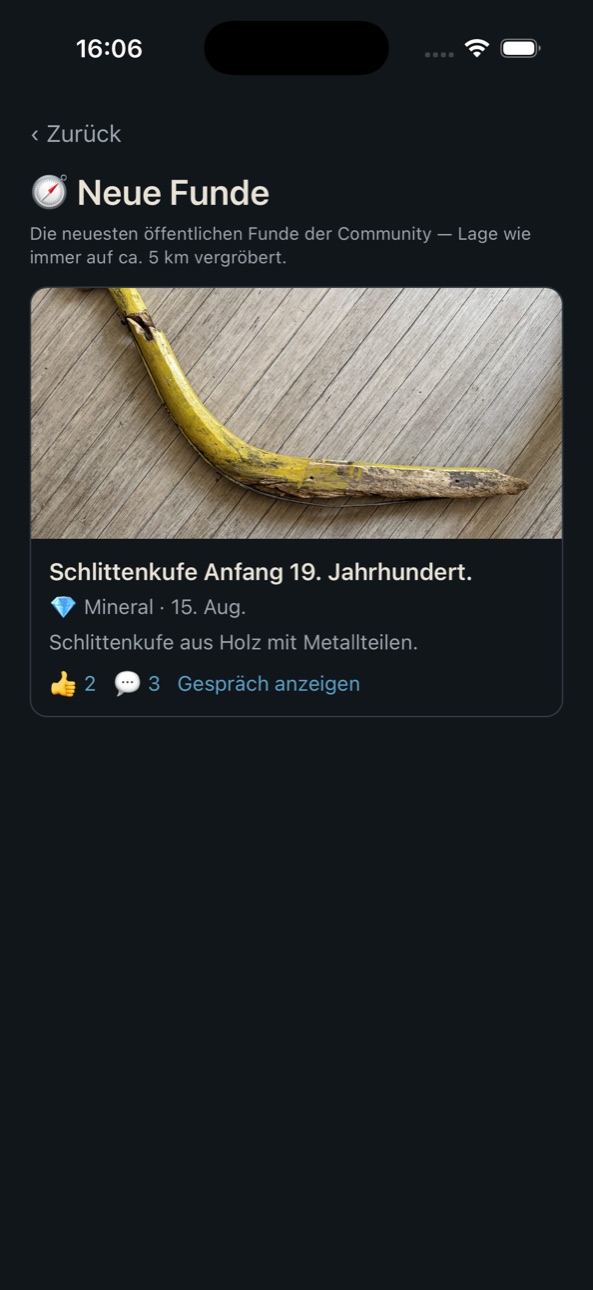
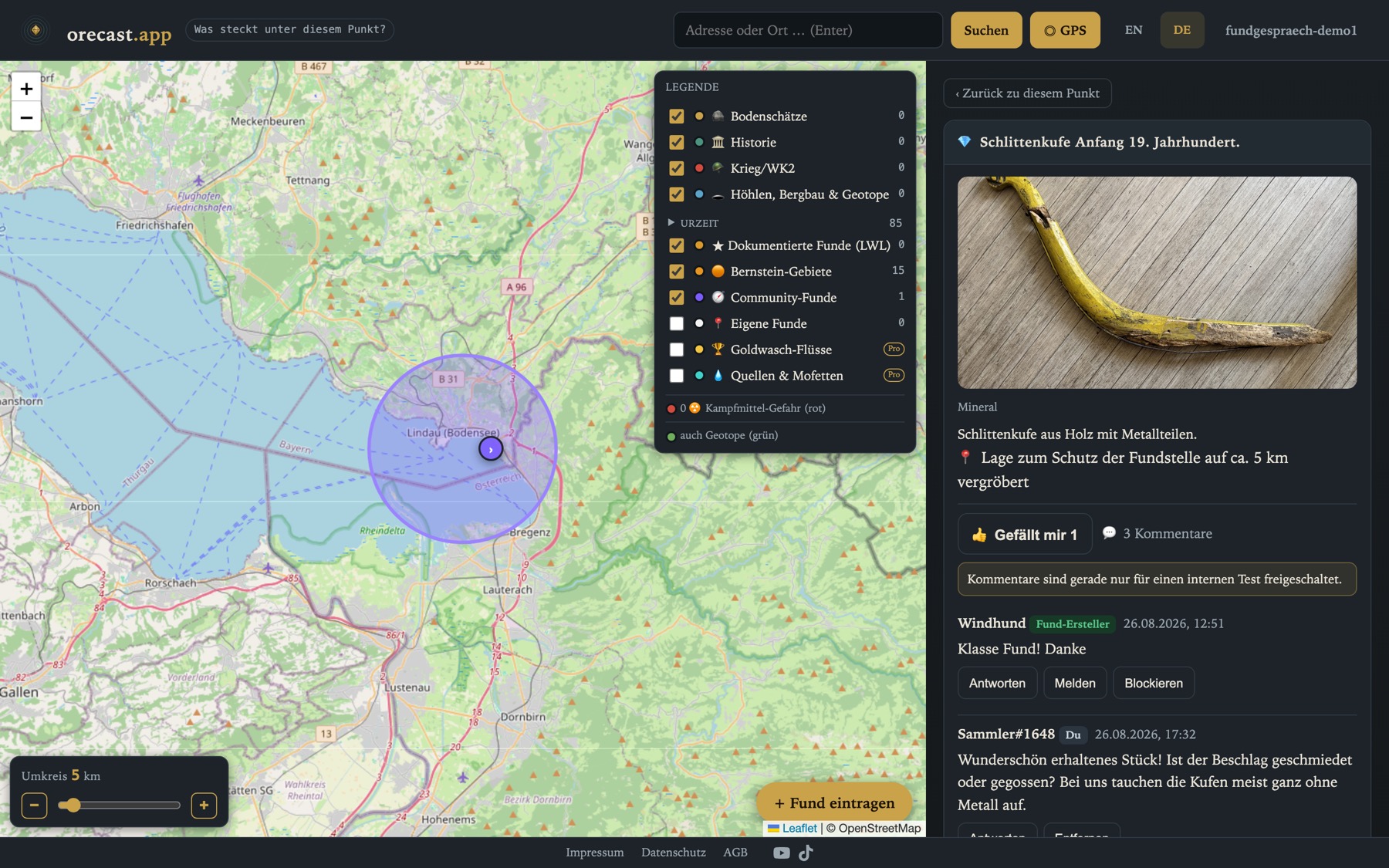
Version 1.0.6 brings find talk to your phone: like and comment on other collectors’ finds, right in the app. Plus the new “New finds” section for browsing, reporting a find from home by picking the spot on the map, and a dedicated war/WWII layer in the legend. Available now on the App Store and Google Play, and find locations stay coarsened to five kilometres, as always.

2026-08-26

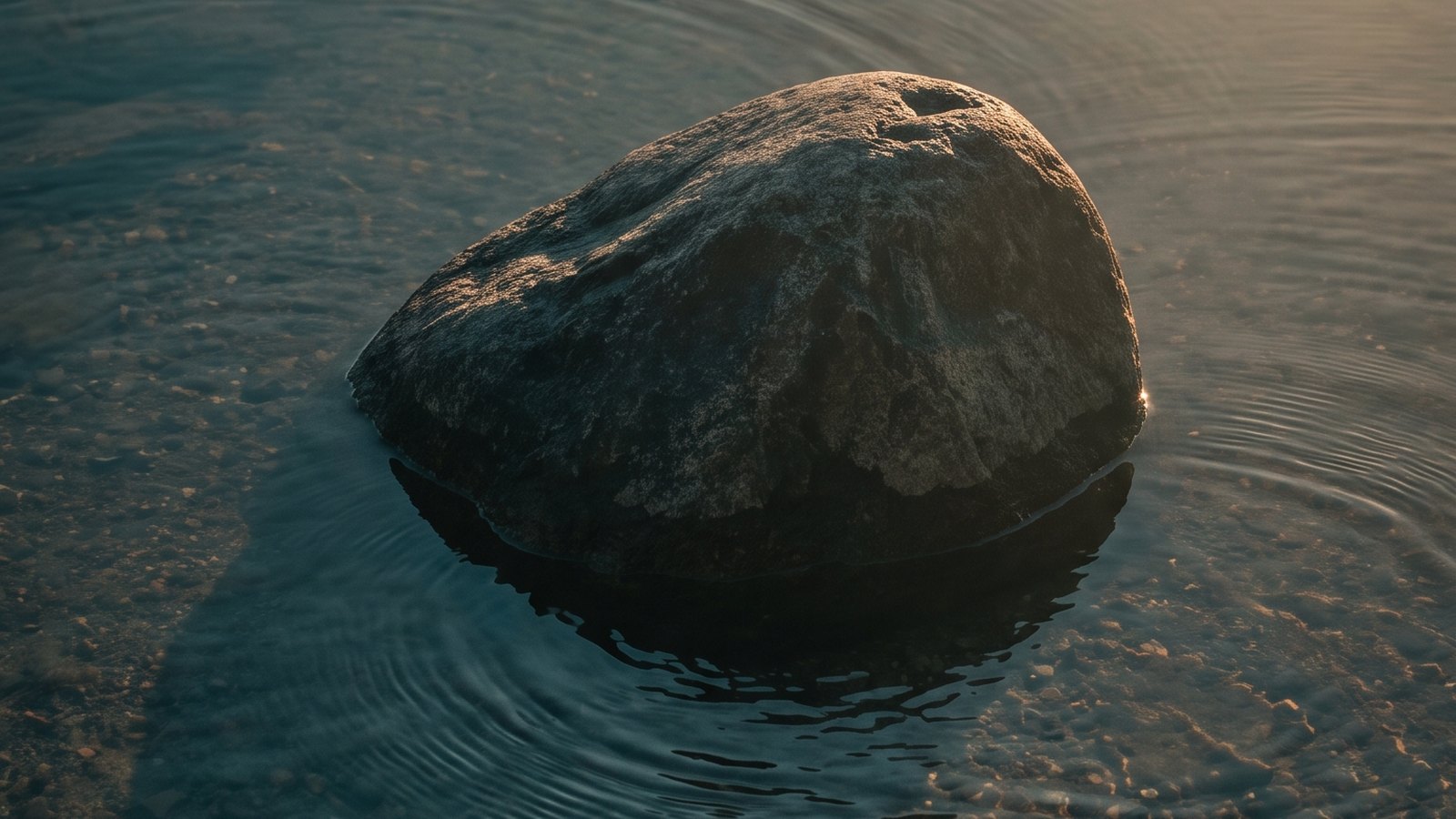
“When you see me, weep”: the Elbe is showing its hunger stones again

In early August the Dresden gauge fell to 54 centimetres, and near Pirna a stone surfaced that people have been carving drought years into since 1707. Such hunger stones lie in the river from Děčín to Magdeburg: gauges from the time before gauges existed. The most famous one carries a warning nobody ever wants to read.

2026-08-26

Find talk is coming: comments and likes for your finds, and the locations stay secret anyway

orecast is getting a community: you can now like other collectors' finds, and commenting follows shortly, with replies, reporting and blocking. What matters is not what is added but what stays: no comment may give away a find spot. Coordinates in any notation are intercepted before publication, and the five-kilometre blurring still applies. Also new: pick the find spot on the map when logging a find, and the War/WWII map layer.

2026-08-22

Video: The Rhine is almost empty, and it is giving back what no one was meant to see for 80 years

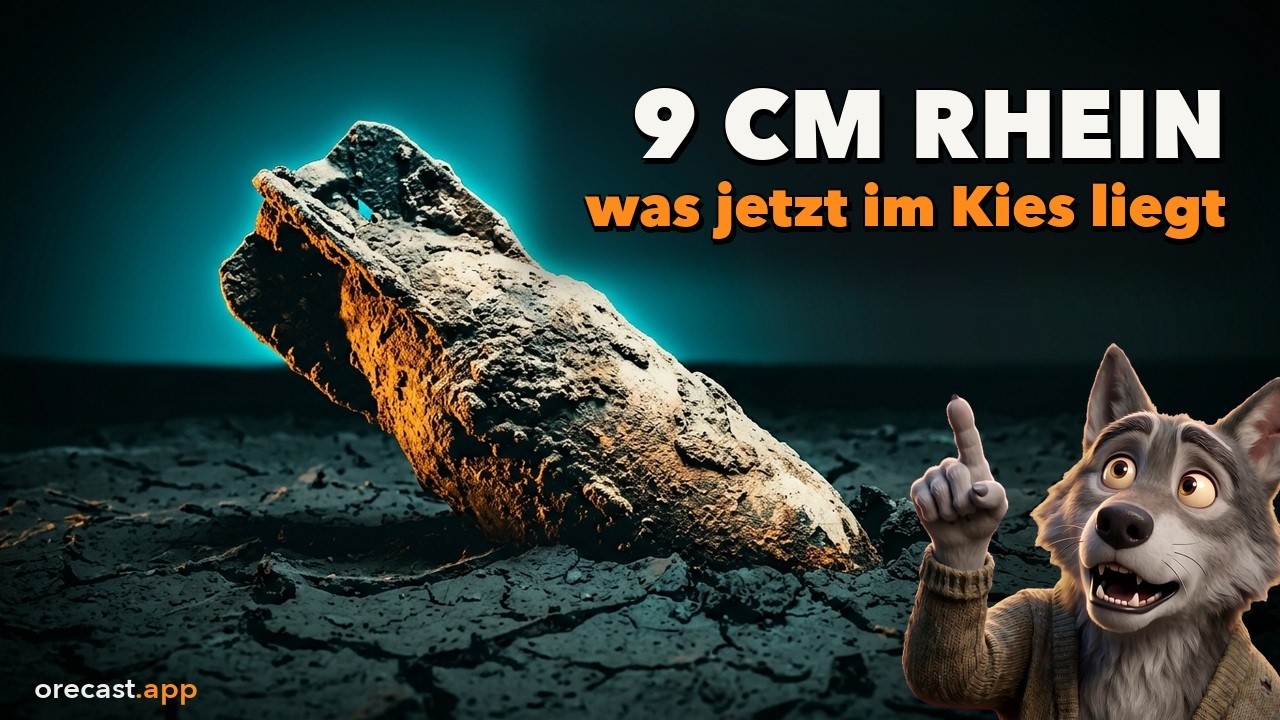
In mid-August the Kaub gauge read nine centimetres, the lowest value since records began. As the water goes, so does the hiding place: an anti-tank rocket near Koblenz, a smouldering phosphorus grenade near Trebur, a mammoth on the Danube. Our new episode tells you why all of it is down there and what to do if you ever stand in front of a find yourself. Short version: don't touch it, keep your distance, call 110.

2026-08-19

Video: When your gold was banned, three times in one century

A potash mine near Merkers, April 1945: the US Army finds the entire gold reserve of the German Reichsbank, 8,198 bars. The new episode tells how it got there and why private citizens in Germany had to surrender their gold three times: in 1923, from 1931 and from 1945. Only on May 5, 1955 did owning gold become legal again in the Federal Republic.

2026-08-15

Video: Which rivers in Europe really hold gold? With a gold panning guide

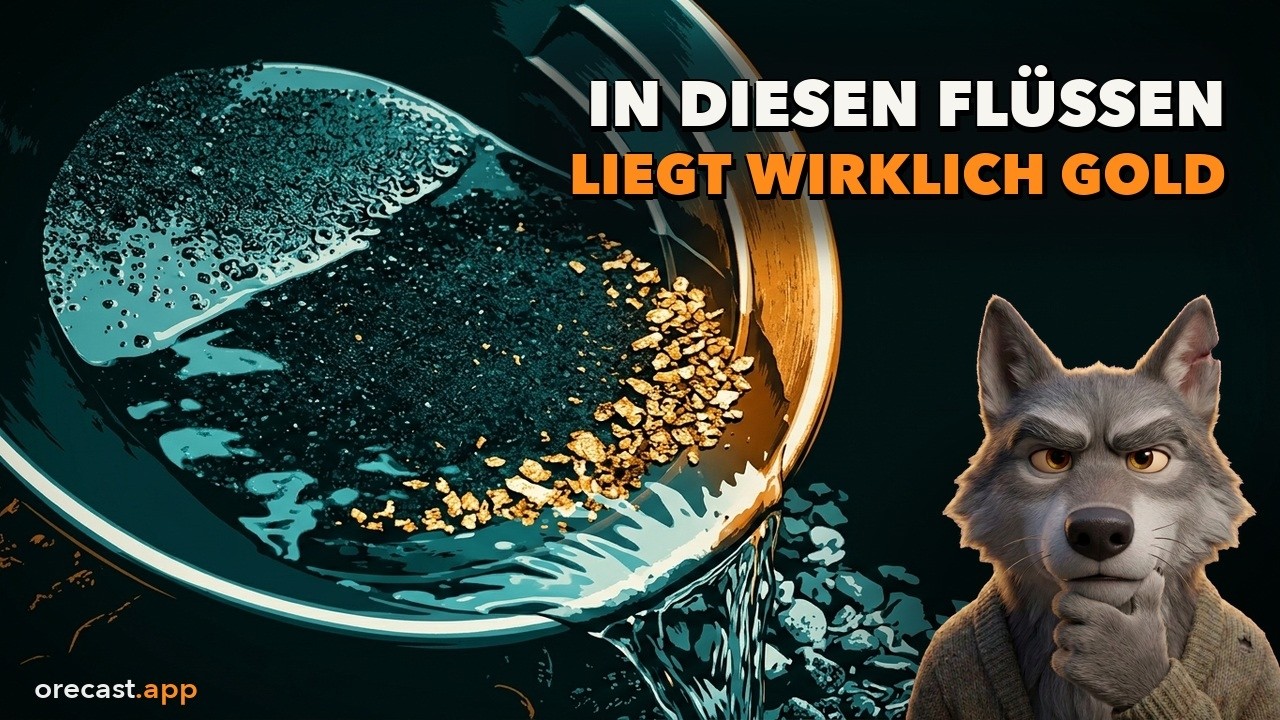
The Rhinegold is not a legend: between Basel and Mannheim, an estimated 52 tonnes of gold sit in the riverbed. Our new episode maps 638 documented gold points in Europe's rivers, from the Upper Rhine to Lapland, and walks you through panning yourself with kit for under 50 euros. It will not make you rich. But your first river gold is a treasure of its own.

2026-08-11

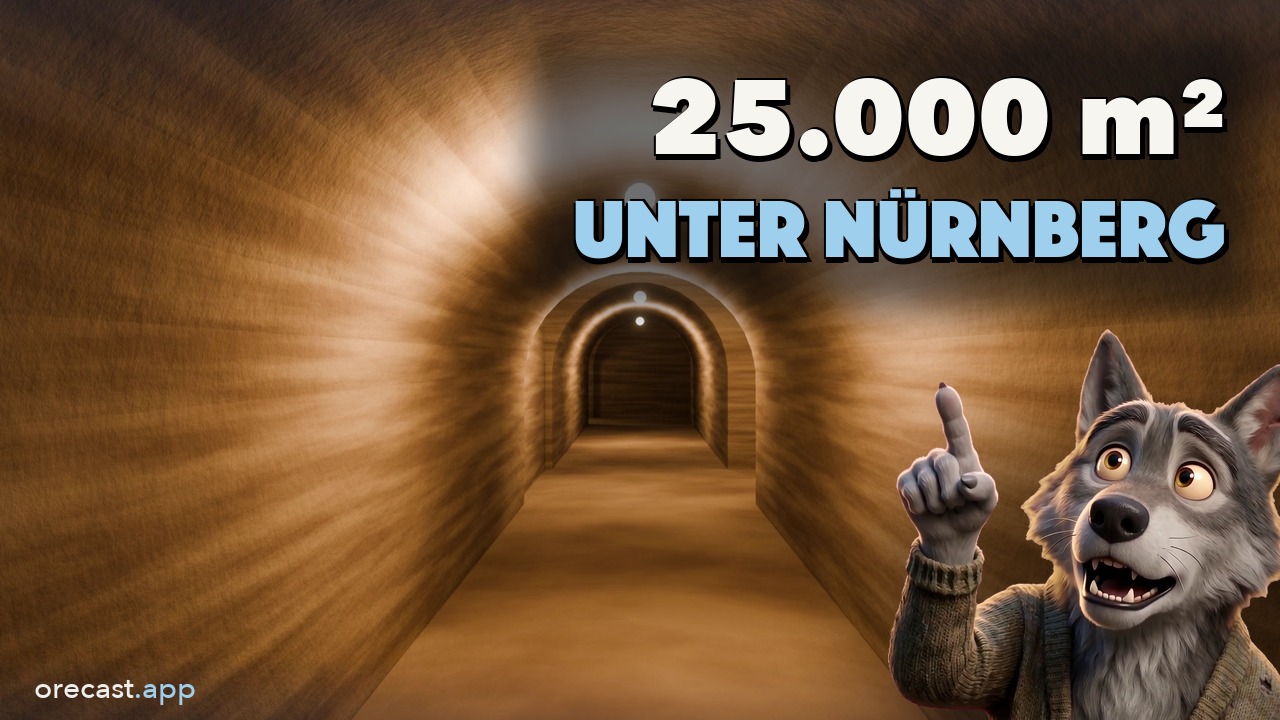
Video: What lies beneath Berlin? Ghost stations, spy tunnels and a buried mountain

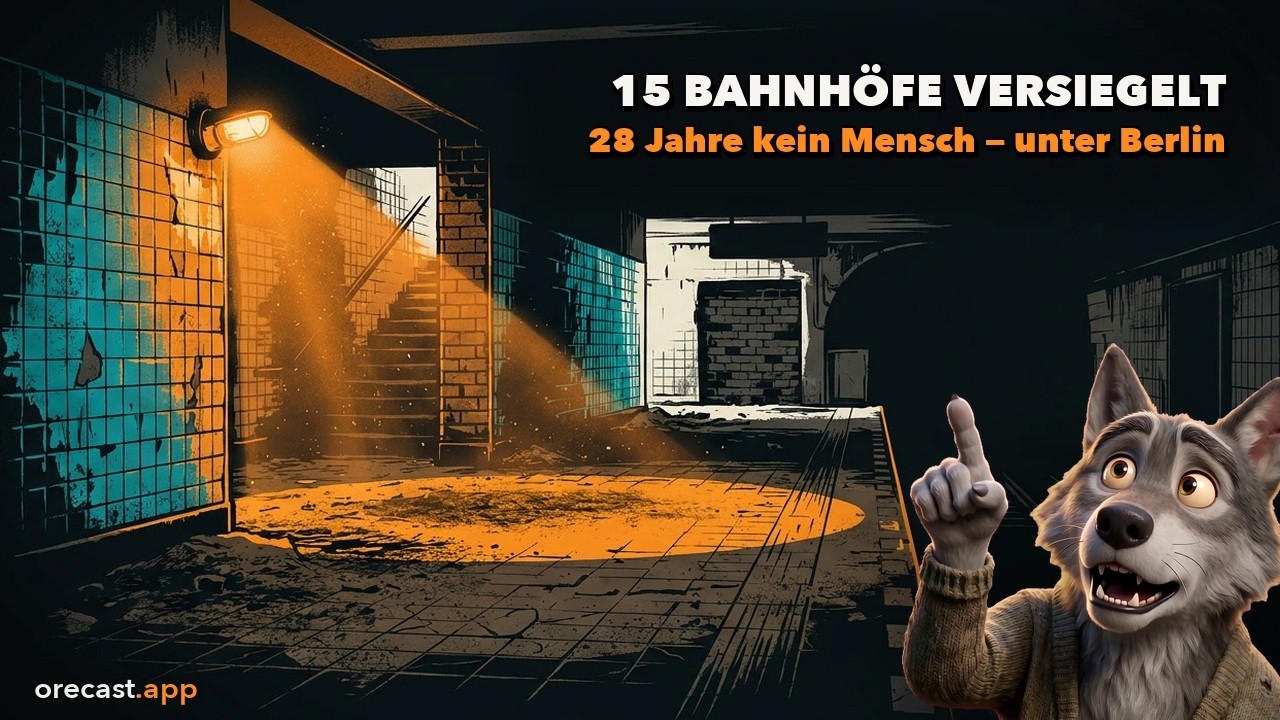
A parking lot, a sledding hill, a concrete block: three places you walk past without a second glance, and under each of them lies a story that explains Berlin. The new episode climbs down to the ghost stations, into the escape tunnels of Bernauer Straße and into the CIA tunnel that was betrayed before the first spade hit the ground. At the end stands a block of concrete that proved Berlin's swamp would have swallowed Hitler's Germania.

2026-08-08

Video: Germany has lithium for millions of EVs, and leaves it in the ground

The US Geological Survey ranks Germany sixth in the world for lithium resources, at 8.9 million tonnes, and so far none of it is being mined. Our new episode travels from an opened-up smartphone via the Atacama to the Ore Mountains and the Upper Rhine Graben, asking what is really in the way. This much up front: it is not the geology.

2026-08-07

Werner Wolf and the Treasure under the City

A database turned into a children's book: “Werner Wolf and the Treasure under the City” takes children from six straight down: through pipes and sewer, across a Roman road, into a mine and down to a sea turned to stone. All of it real.

2026-08-05

orecast is now on TikTok

We have started a TikTok channel at @orecast1. Short videos about what sits inside the data behind the map: mammoths from lignite pits, rivers with a gold panning tradition, springs where carbon dioxide pools on the ground. Same standard as the app, just in thirty seconds.

2026-08-03

Video: We set an AI on the Amber Room, and it points to a wagon from 1944

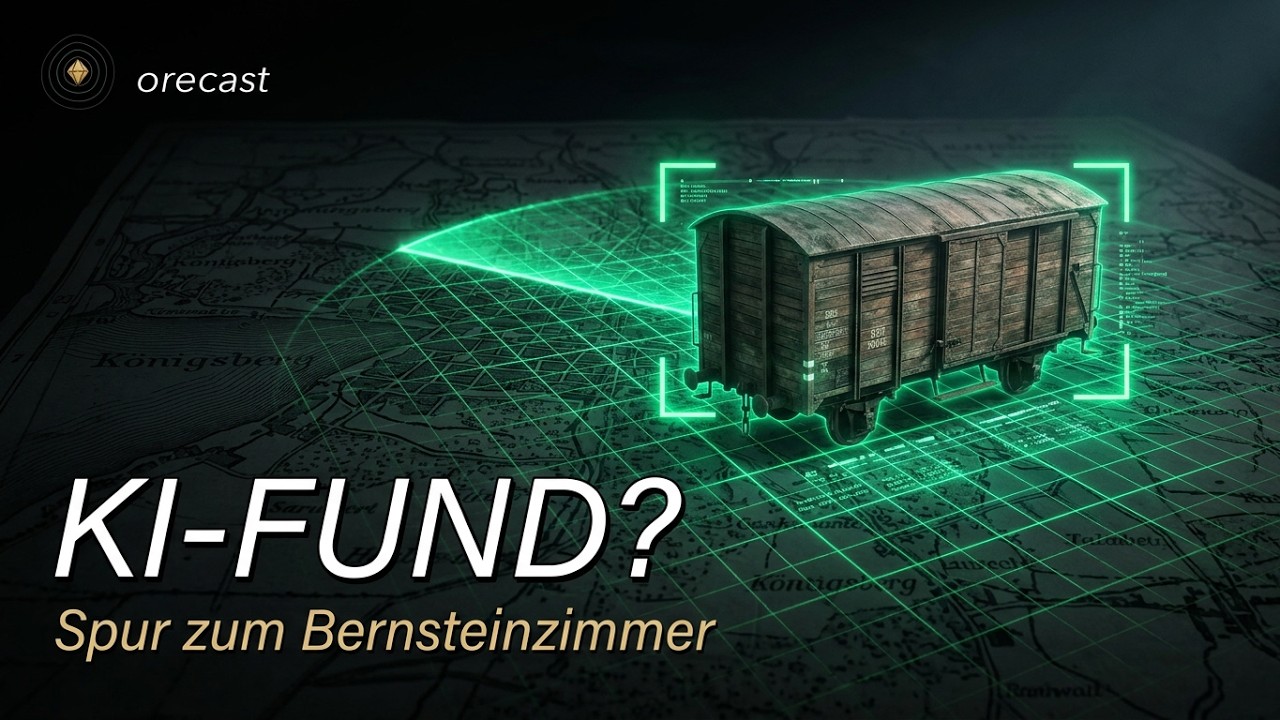
The Amber Room has been missing since 1945, the most famous lost artwork in the world. Our new episode lets an AI sort the documented sources, and its most plausible trail ends at a railway wagon from 1944. That is not proof. But it is one hell of a story.

2026-08-03

Video: A second world lies beneath the Ruhr, 1,202 shafts on one map

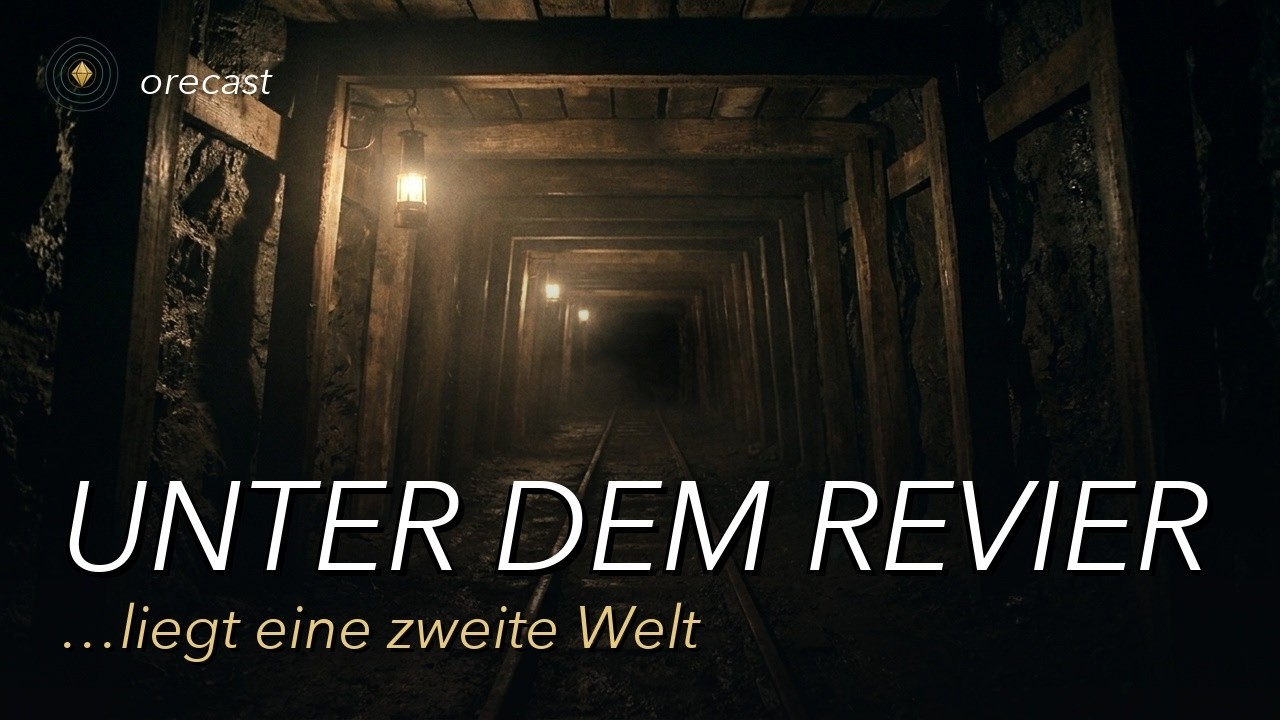
Beneath the streets of Essen, Bochum and Dortmund lies a labyrinth of shafts and galleries that supplied all of Europe with coal for a century. Our new episode shows this second world where it can still be seen today: on the map.

2026-08-03

Video: The map the GDR hid: uranium beneath the Erzgebirge

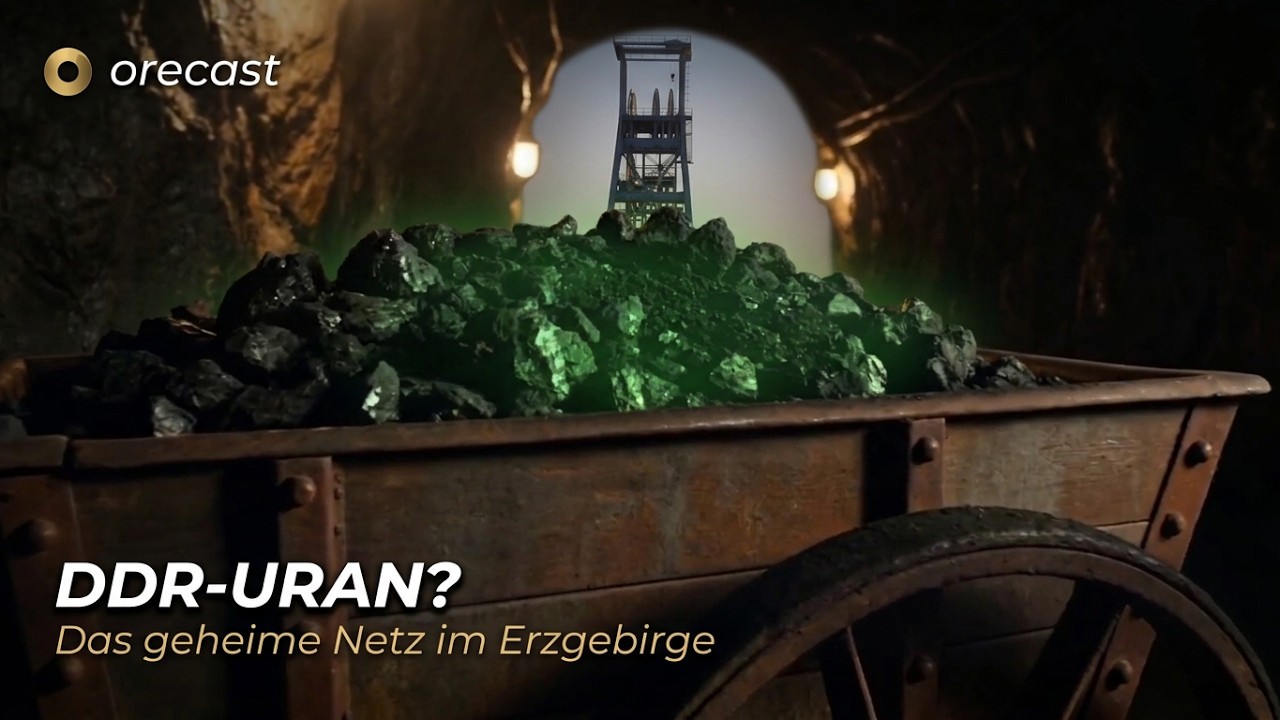
Under the cover name “Wismut”, the GDR became the fourth-largest uranium producer in history. The sites were a state secret, and the mining cost people a high price. An episode in a sober, respectful tone.

2026-08-03

Video: Why NO map can tell you where exactly gold lies (not even ours)

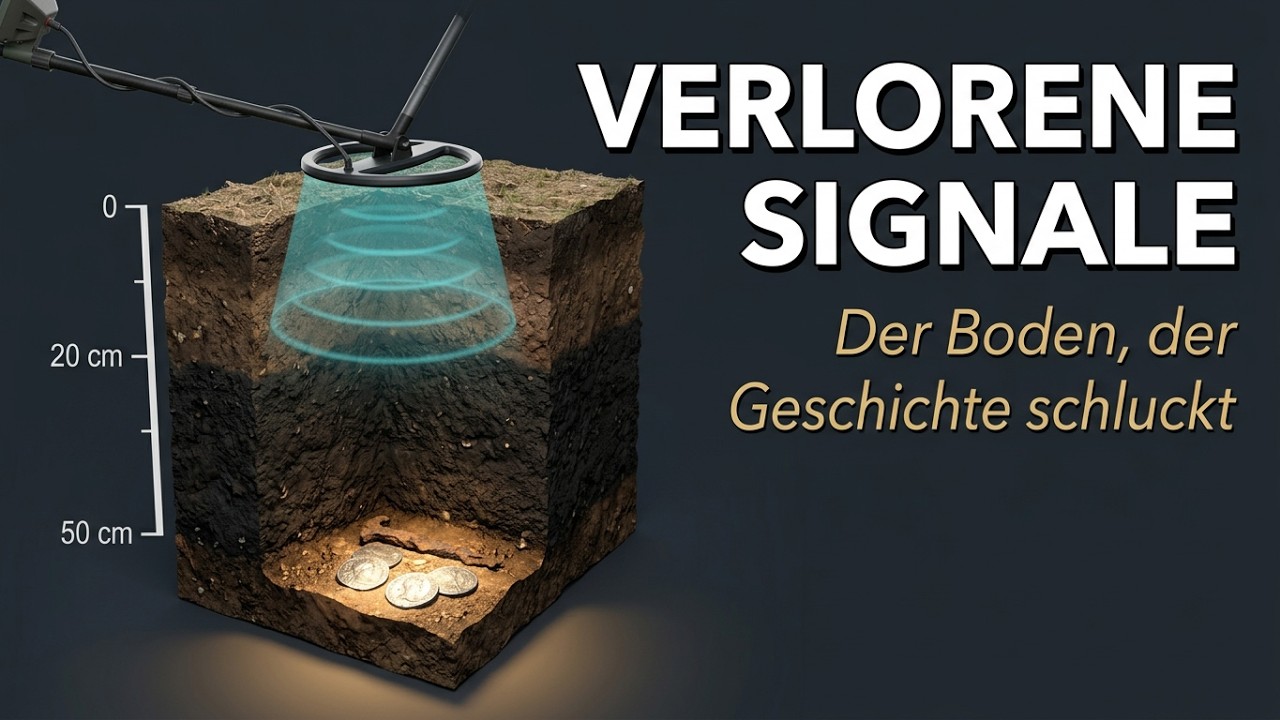
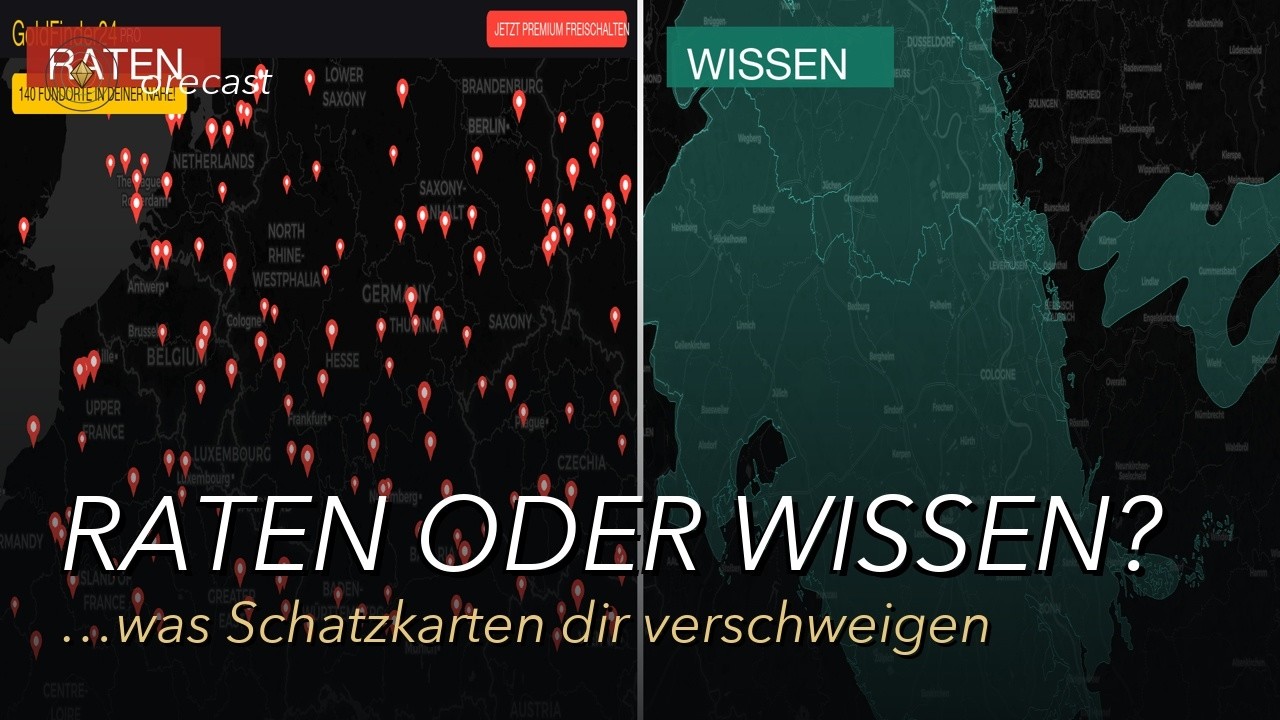
An explainer on the difference between a documented find and a plausible formation, and why any “treasure map” promising gold points accurate to the metre is really just guessing. With a four-question checklist to test any map yourself.

2026-07-27

The orecast app is here, for iPhone and Android

The map is out in both stores, with place profiles, location search, GPX export and offline areas. What lies beneath a place is now with you where it counts: outdoors.

2026-07-26

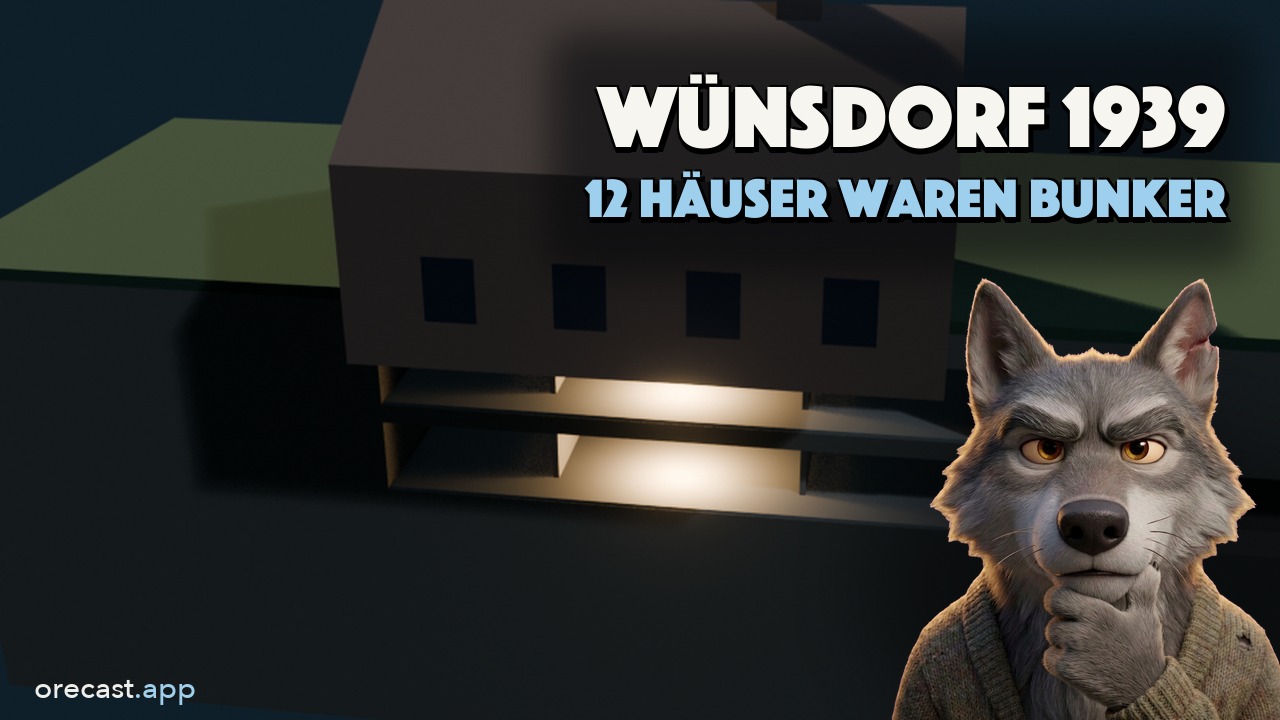
Werner joins the show: a wolf who retired from gold panning

We met him on the Upper Rhine, knee deep in cold water. After years with the pan Werner has arthritis in both paws and has changed careers. From now on he sits in our studio and comments on the videos.

2026-07-26

Video: The secret ring around Cologne: 12 forts almost no one knows

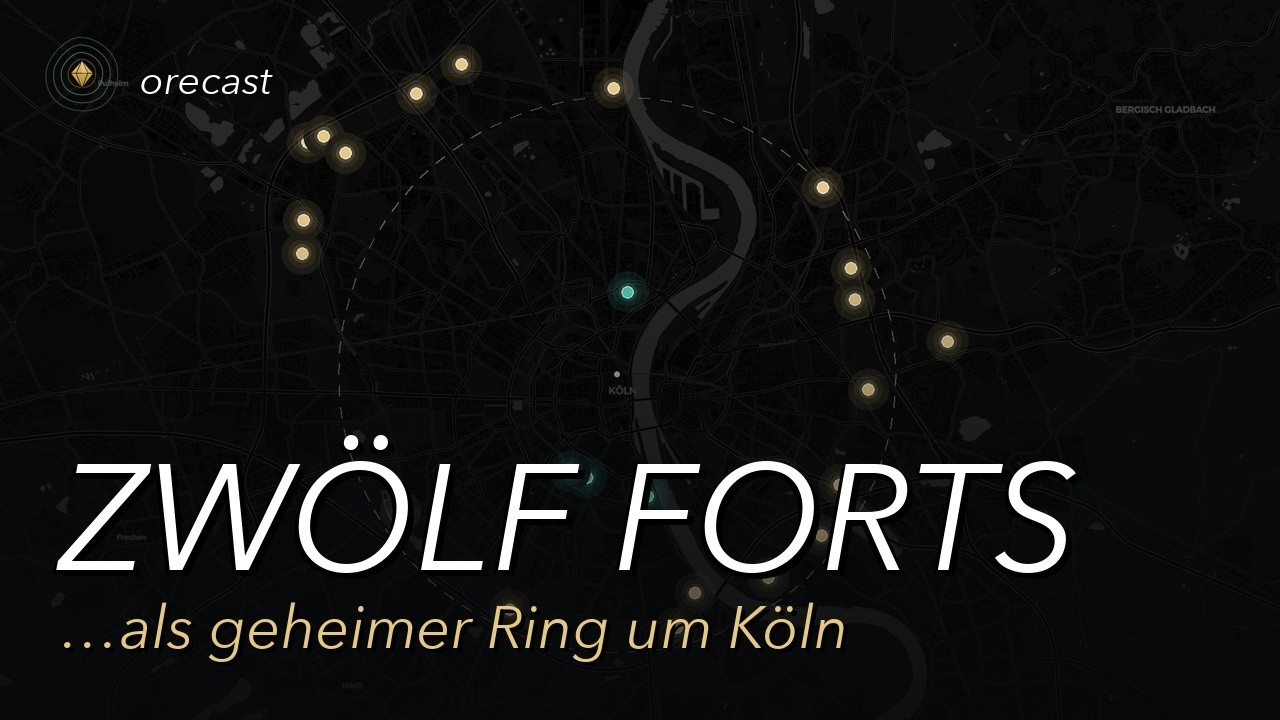
Put Cologne's historical structures on a map and an almost perfect ring appears: the Prussian fortress ring, razed after 1919 and turned into the Grüngürtel. Our episode on the weapon half of Cologne drives through every day.

2026-07-25

Video: Silver lies beneath Germany, the metal that invented the dollar

Beneath the Erzgebirge and the Harz lies the silver that crowned emperors, built cities and gave the dollar its name through the taler. Our episode on 800 years of mining, from 1168 to today.

2026-07-23

Video: Real dragons flew over Bavaria, Germany's pterosaurs

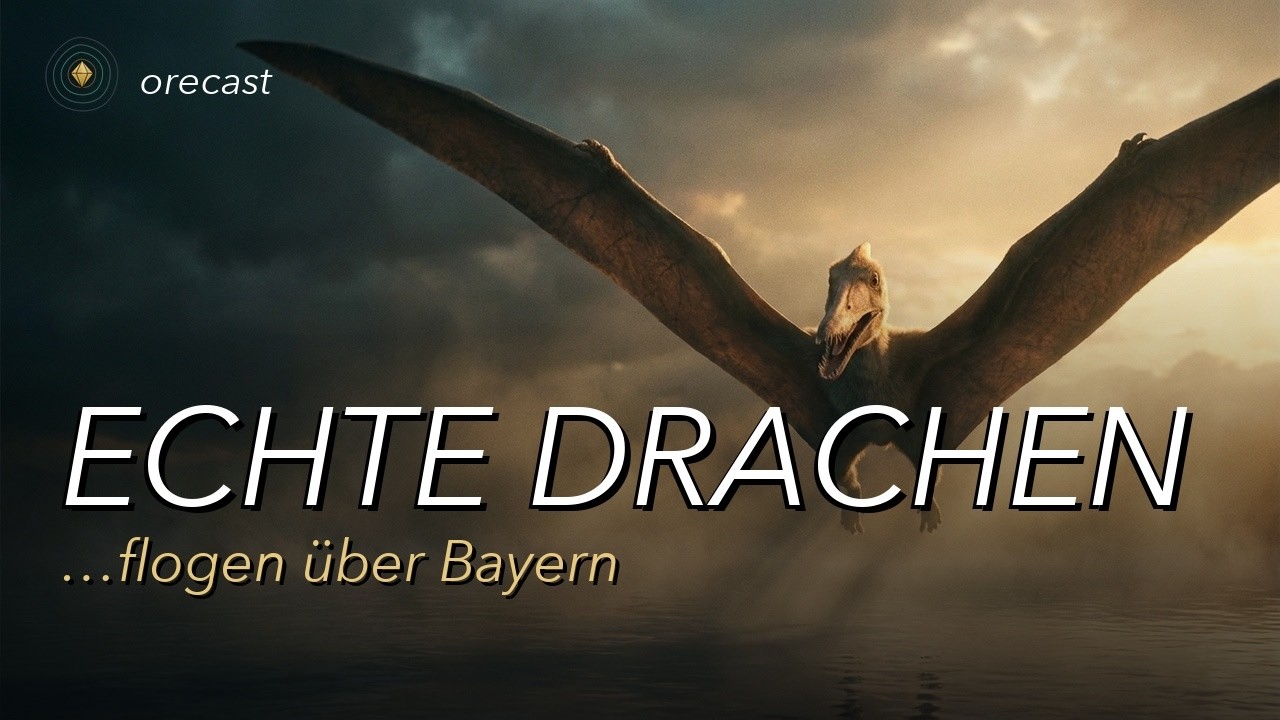
For 150 million years the sky belonged to the pterosaurs: from the first ever described Pterodactylus of Solnhofen to the aircraft-sized Hatzegopteryx. Our episode on the dragons of deep time.

2026-07-21

How much gold does our map know? 84,011 points, and the honest answer

After building stone, gold is the second most common commodity in our database: 84,011 documented occurrences. That sounds like a land of treasure. But the honest answer to where this gold lies matters more than the big number, and it shows how orecast handles data.

2026-07-19

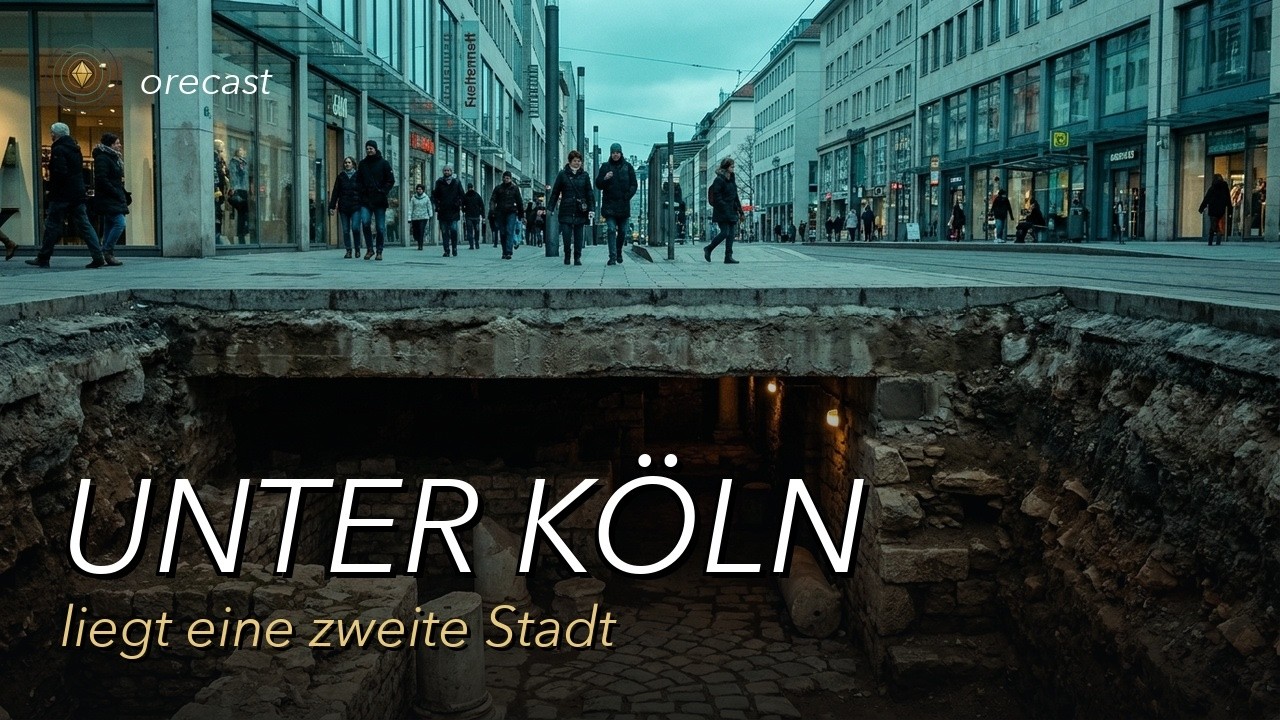
Video: Cologne, the city beneath the city

A few metres beneath Cologne's city centre lies a second city: the Roman Colonia, with harbour, baths and a street grid the Hohe Straße still follows today. Our episode on the Cologne beneath Cologne.

2026-07-17

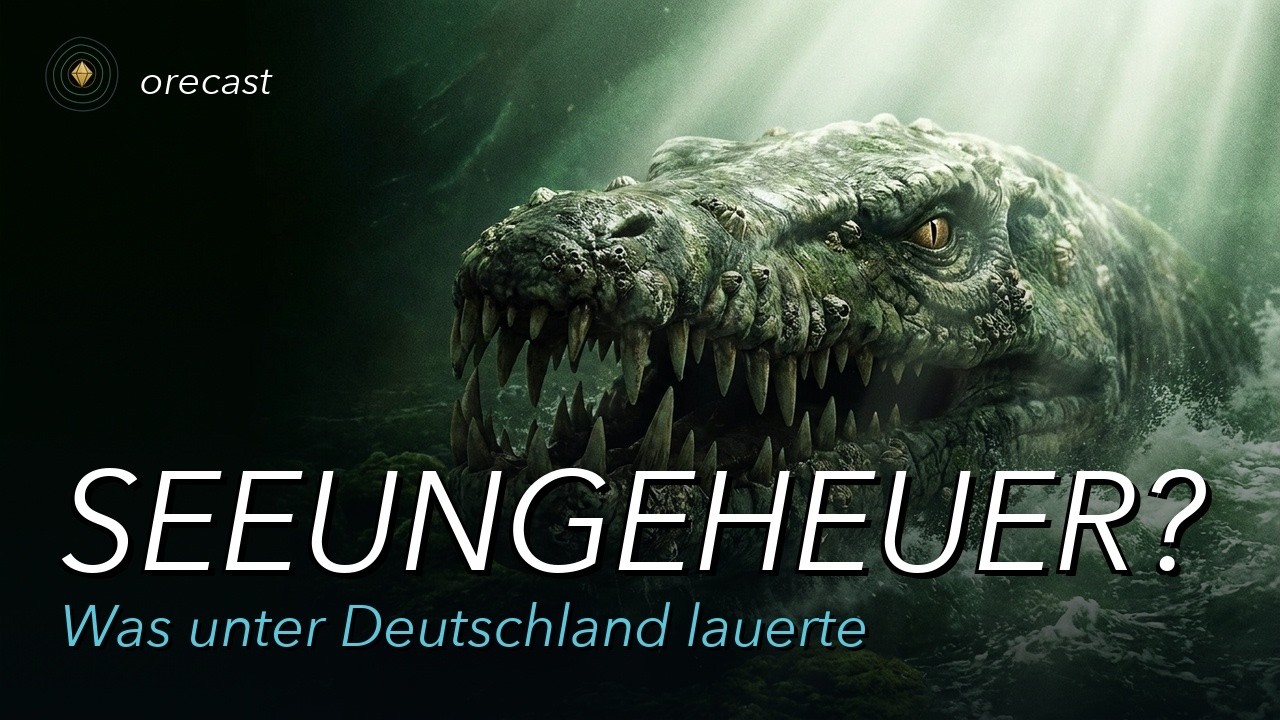
Video: The sea monsters beneath Germany

Where Swabian fields lie today, predators as long as a bus once hunted 183 million years ago. Our new episode on the marine reptiles preserved by the black shale of Holzmaden, now on YouTube.

2026-07-15

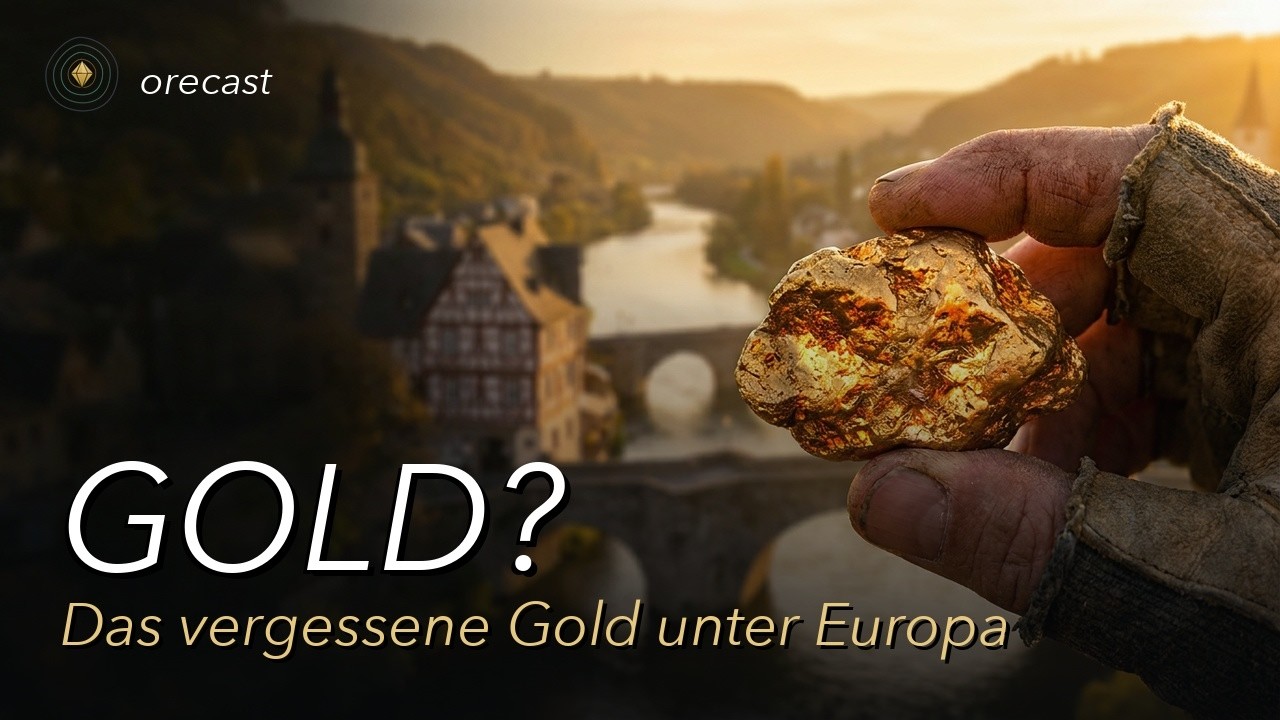
Video: The gold beneath Germany, and why it's still there

There is real gold between the pebbles of Germany's rivers, and that's just the start. From the Alps to Roman mines to Celtic hoards. Our new episode, now on YouTube.

2026-07-13

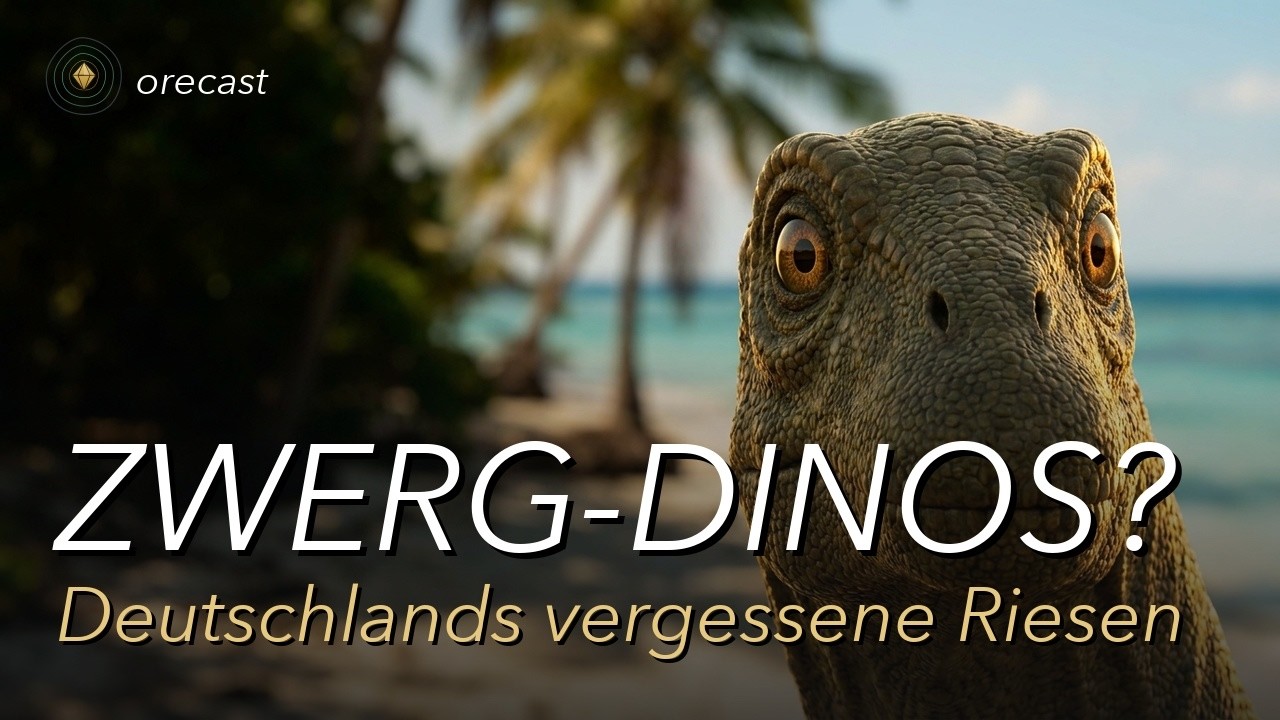
Video: When Germany was an island of dwarf dinosaurs

154 million years ago Europe was not a continent but a chain of tropical islands, and its dinosaurs broke the rules. Our first episode on Europe's forgotten deep past, now on YouTube.

2026-07-13

orecast is now on YouTube

We have launched our own YouTube channel with cool education videos about exactly what sits on the map: fossils, ores, dinosaurs and more. Clearly explained, with real sites. Come by and subscribe.

2026-07-09

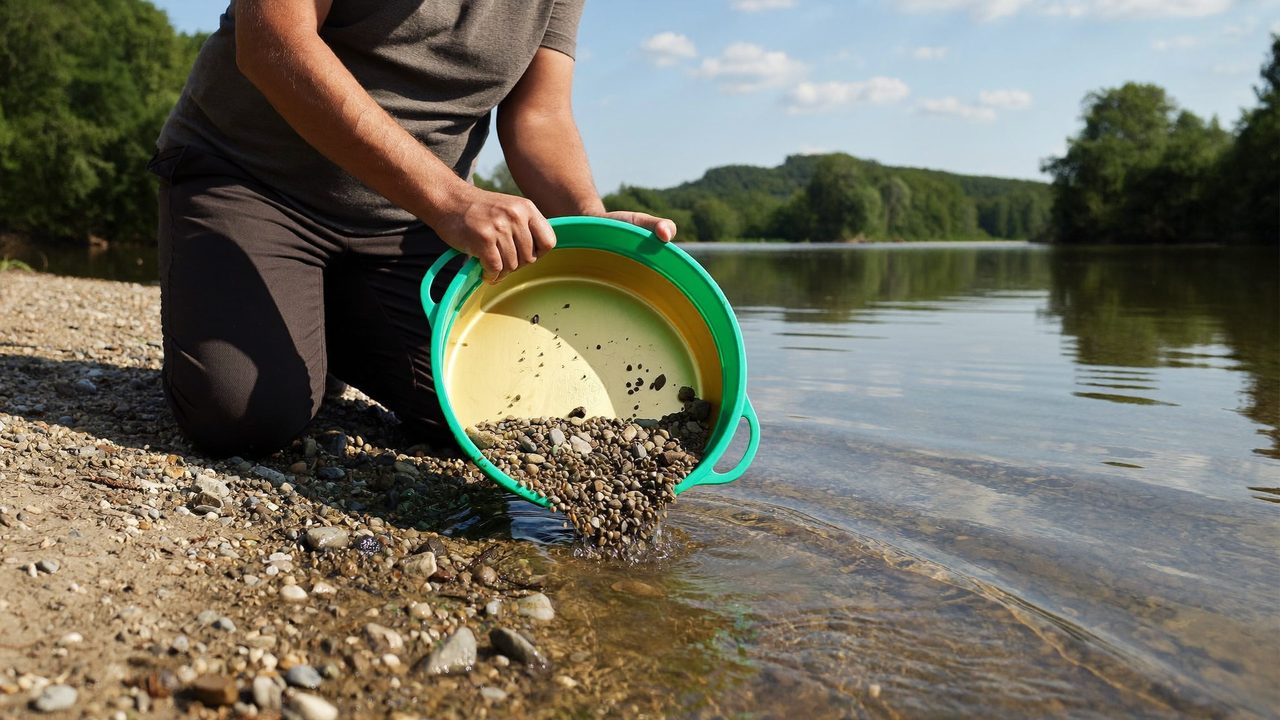
Panning for gold in the Rhine: how it really works with a pan

There is real gold in the Rhine gravel, washed out by hand for centuries. What is in there, where to start and how to lift the flakes from the black sand. An honest guide.

2026-07-03

The orecast app for iPhone is almost ready

The orecast iPhone app is almost ready: the same honest geo-data as on the web, plus favourites, location search, GPX export and offline maps for the field.

2026-06-22

New on the map: caves and old mines

More than 63,000 caves, karst features and historic mining points have been added, with a clear warning where entering them is dangerous.

2026-06-15

orecast is live: honest geo-data for Europe

What's beneath a place: minerals, fossils, history. Based on real data instead of guesswork.