 orecast
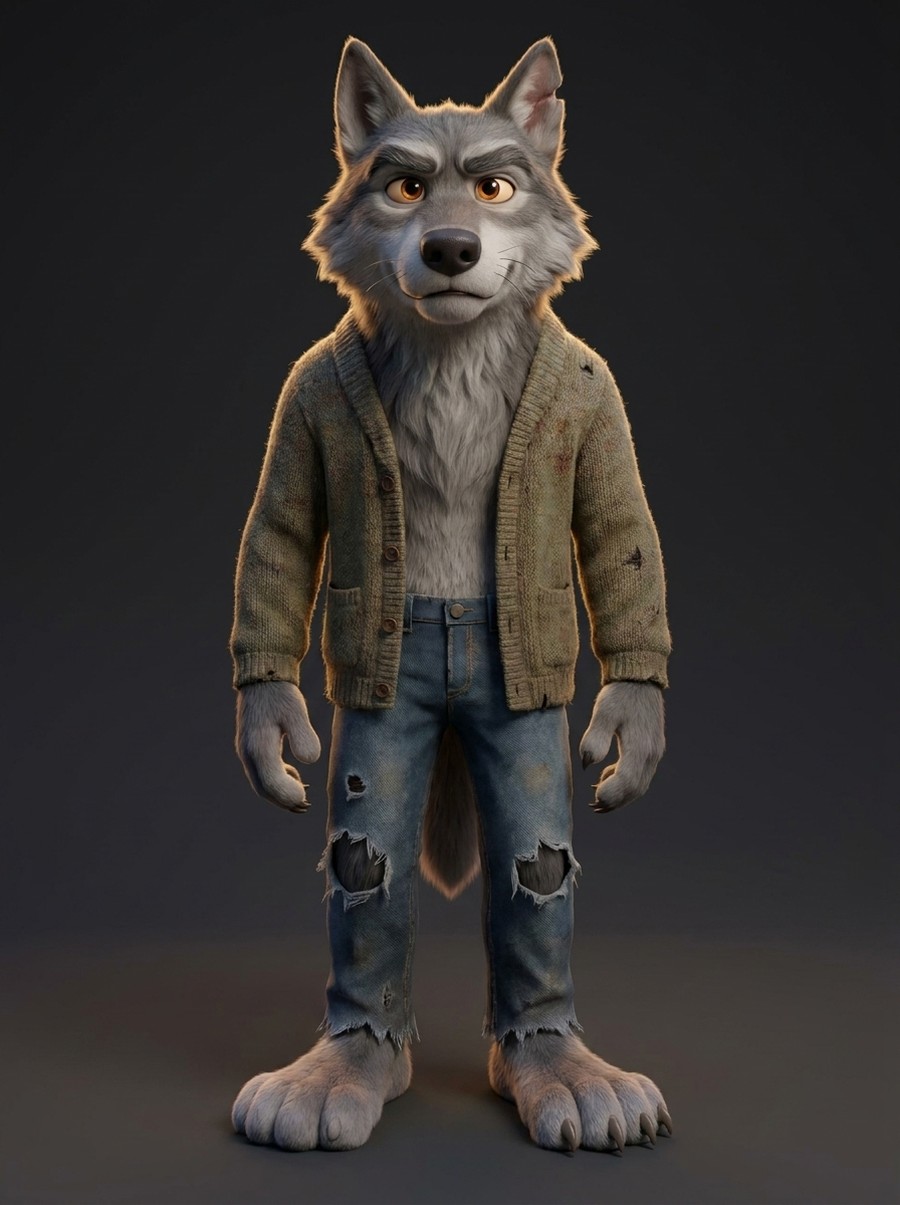
There is a new voice in our videos. His name is Werner, he is a wolf, and he has an opinion on everything. Especially on maps that promise more than they can deliver.

We met him on a gravel bank
Rhine gold is real, even if the name sounds like something out of an opera. Between Basel and Karlsruhe the river carries fine flakes of gold in its gravel banks, washed out of the Alps and the Black Forest and moved downstream over thousands of years. In the nineteenth century professional panners on the Upper Rhine made a living from it. A poor living, but a living. Baden even struck ducats from the metal. Stand there with a pan today and a good day gives you a few flakes that together weigh less than a paperclip.
That is where Werner was standing when we met him. Longer than most, he says, though he gets generous with numbers. What the years left him is arthritis in both paws and a thorough dislike of cold water. Panning is wet work done bent over. In spring you stand knee deep in meltwater sieving gravel until your back objects. At some point the maths stops working. For him that point came last autumn.
Why he now sits with us
The honest answer first: our studio is warmer. There is also marble cake and a coffee machine the like of which, he says, he never saw in all his years on the river. Werner calls this his panning retirement. We call it a good trade.
The longer answer: he knows rivers. He knows which gravel bank sits differently after a flood, and he has watched enough people arrive with a printed map and leave in the evening with wet feet and an empty pan. Anyone who has stood in the water that long has stopped believing in treasure maps. That makes him the right commentator for what we do here.
What he does in the episodes
He interrupts. When we say silver lies beneath a place, Werner wants to know whether that is documented or merely plausible in geological terms. This distinction is what orecast is built on, and it does no harm to have someone say it out loud in the video instead of burying it in the small print. You will see and hear him in the episodes to come, not in every one, but whenever something needs setting straight.
Two things are worth knowing about him. He makes his jokes at his own expense, never at the viewer's. And he says so when he does not know something. For him that is not an admission but a matter of course, and it suits this subject better than any number nobody can back up. If he nods off in his armchair while doing it, sometimes mid sentence, we leave it in.
If you want to pan yourself
A few sober sentences, the kind Werner would probably say himself. Panning is not permitted everywhere in Germany. The rules depend on the federal state, on the water body and on who owns the land. Nature reserves are off limits, and on private ground you need the owner's permission. When in doubt ask the responsible authority, it costs you one email. And expect very little. The yield on the Upper Rhine is thin, as it was in the days of the professionals.
Where gold is actually documented in European rivers, you can see on our map. The gold panning layer now covers 37 stretches across Europe, from the Rhine through the French Pyrenees to Scandinavia. It shows you where people panned historically and where the geology allows for it. It does not show you where to dig. No map can, and Werner would argue with any that claims otherwise.
Illustrations generated with AI.