 orecast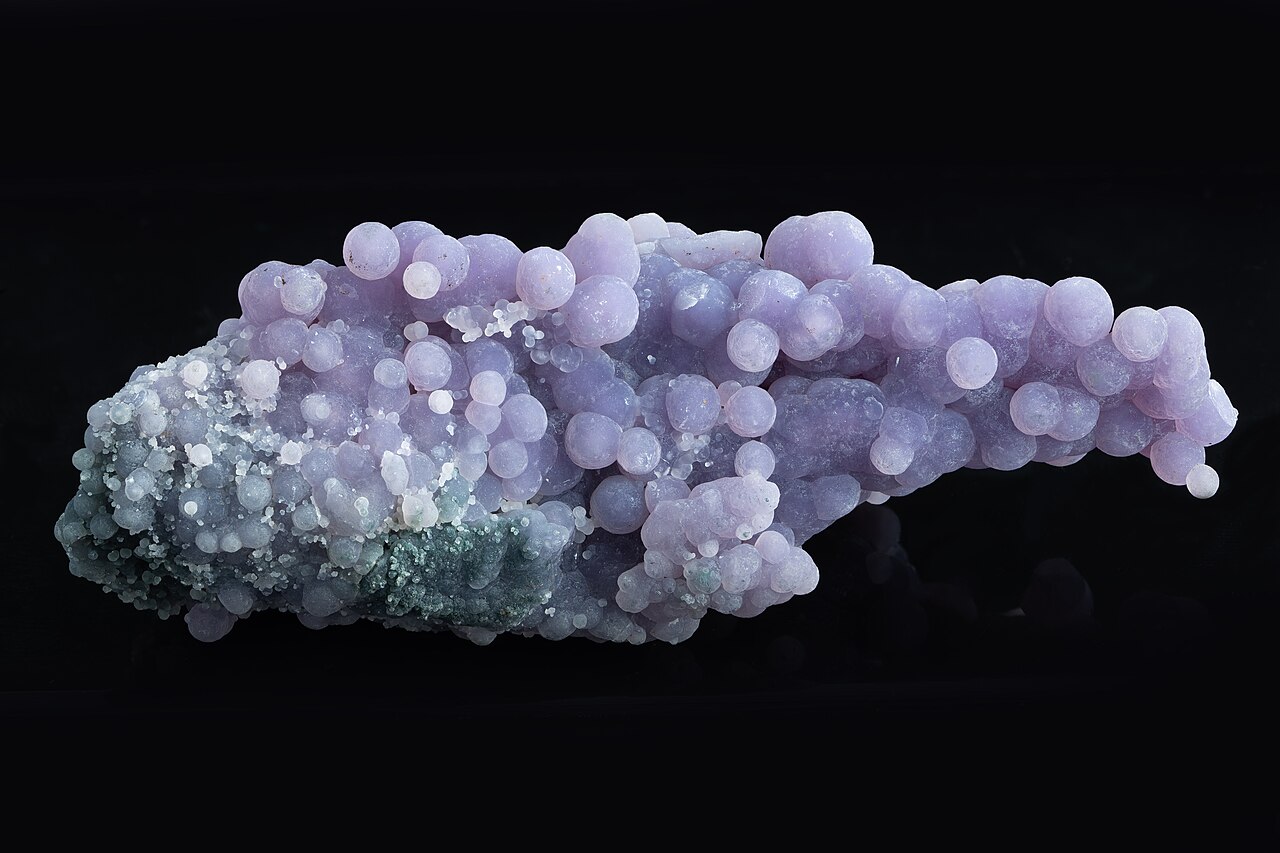
Minerals are identified through a few properties. You test hardness with the Mohs scale by scratching what is harder or softer. The streak on a rough porcelain plate shows the true powder colour, which often differs from the surface. Add lustre, cleavage and crystal form. For rocks it matters whether they are made of grains, crystals or layers and how they formed. ORECAST adds to this by showing the documented raw materials and the local geology at your location. That way you know what actually occurs in the area before you guess.
A few classic mix-ups dissolve with simple means. Pyrite gleams gold but is brittle and leaves a greenish-black streak, while real gold is soft and bends. Calcite and quartz often look alike; calcite scratches easily with a pocket knife and fizzes in dilute acid, quartz shrugs both off. Always work on a fresh face. Weathered crusts fake colours and lustre that have little to do with the interior, and one well-placed hammer blow settles more than long guessing.
A small field kit covers most situations: a ten power loupe, a pocket knife, a piece of unglazed porcelain, a magnet and a dropper bottle of dilute acid for the carbonate test. Just as useful is thinking in exclusions. In granite country nobody needs to ponder volcanic glass, and checking beforehand which rocks and raw materials a region carries cuts hundreds of options down to a handful. Colour alone remains the worst guide, since most minerals occur in several colours.
Real material trains the eye best. Geological collections at museums and universities display labelled regional pieces, and mineral shows let you compare specimens in hand. Many European geoparks run guided walks where geologists explain rocks right at the outcrop. Building a small reference collection of common minerals lets you test new finds against known pieces rather than against photos. That is how professionals learned it too.
Common minerals and rocks at a glance
A quick visual key to the stones you will handle most often, and how to tell them apart.
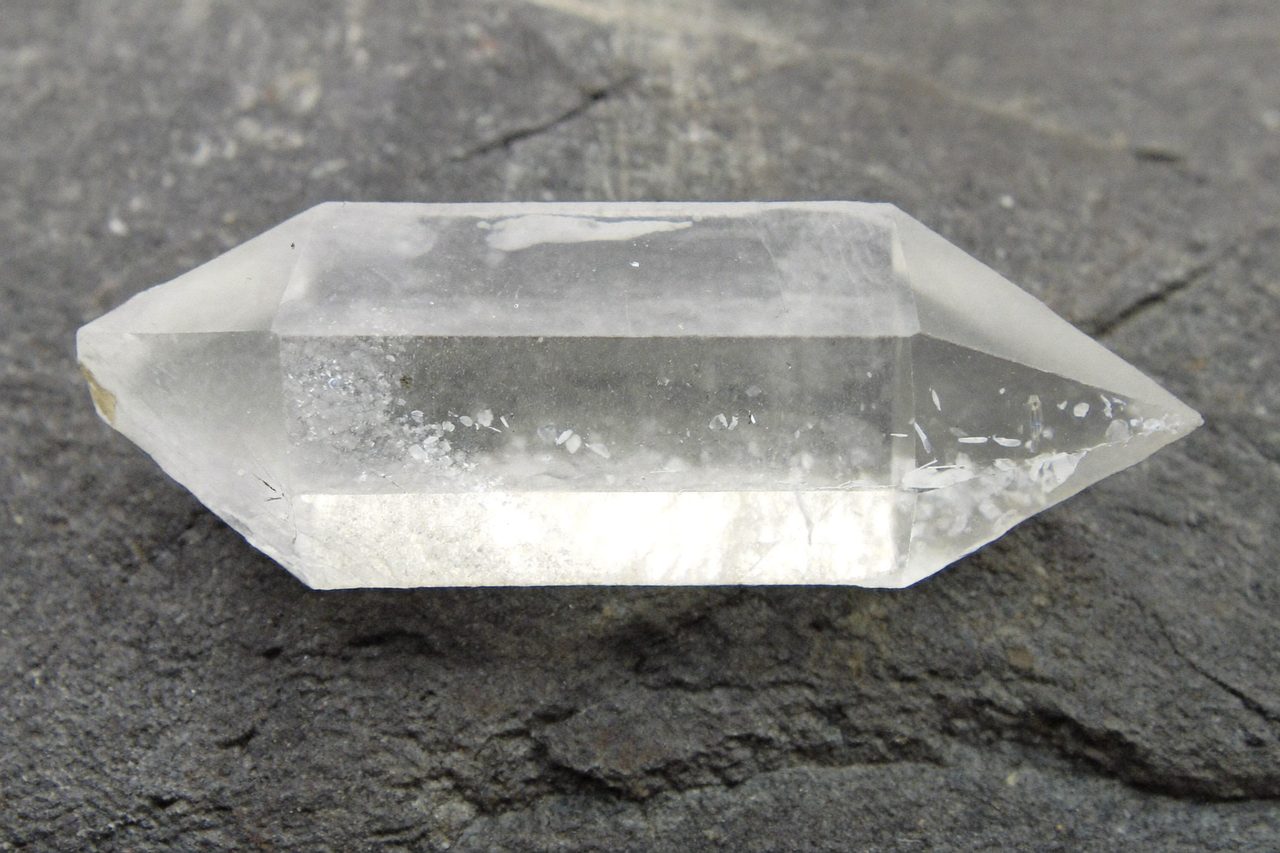
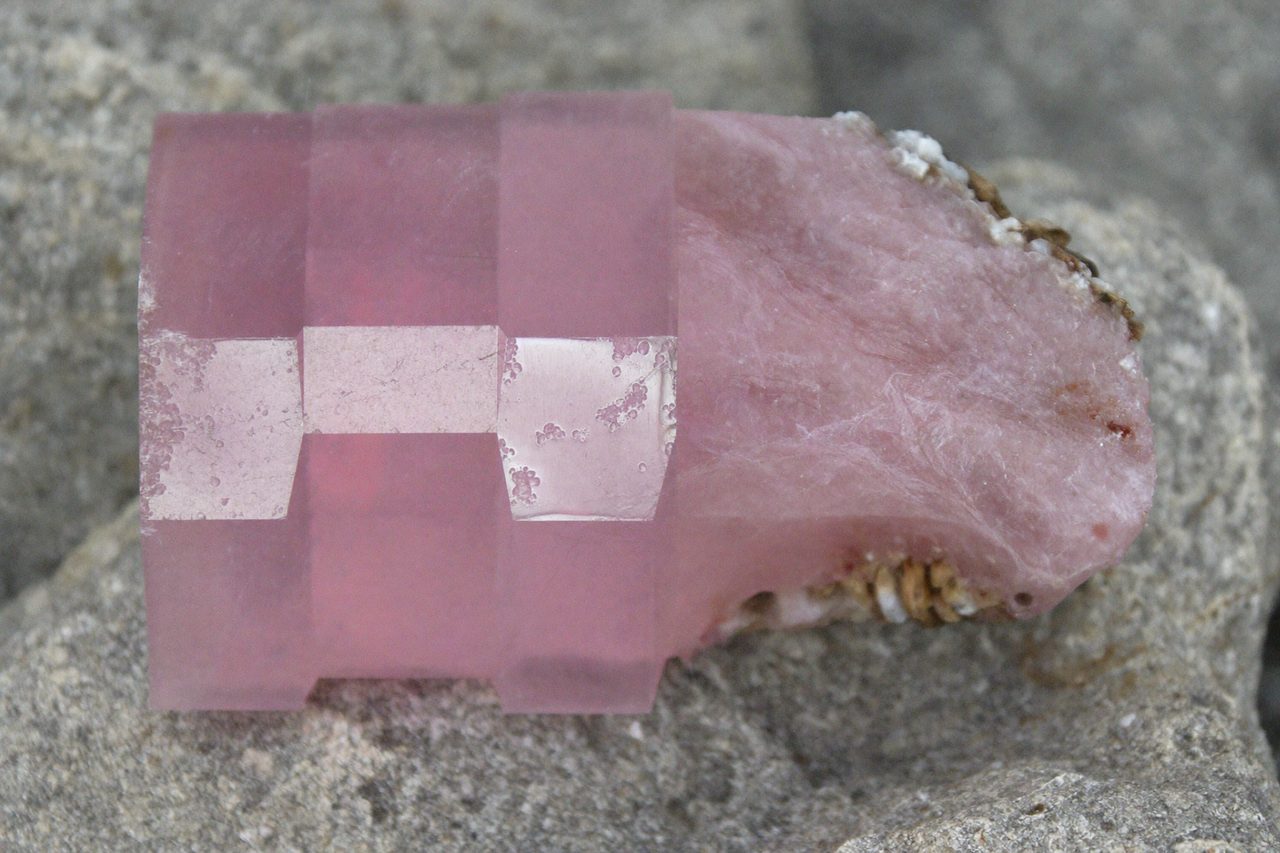
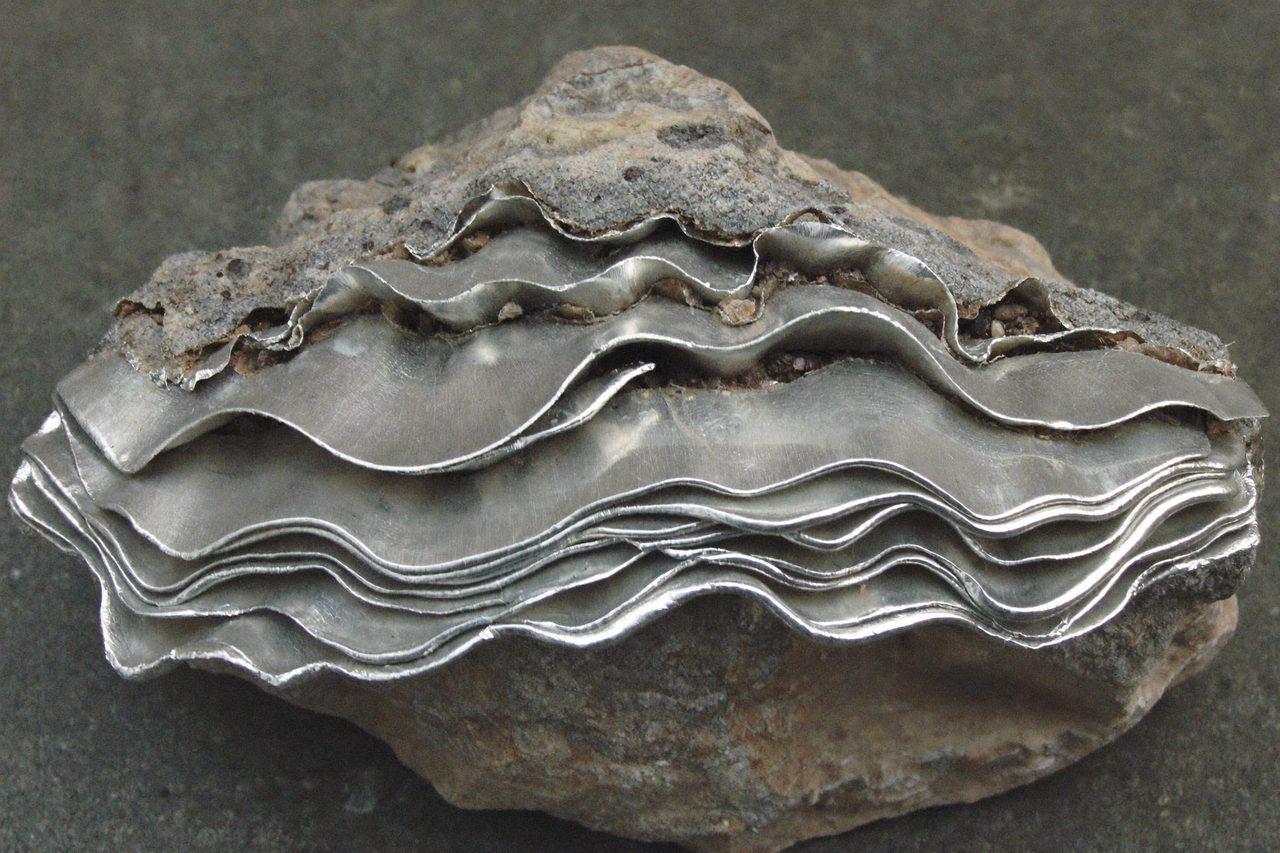
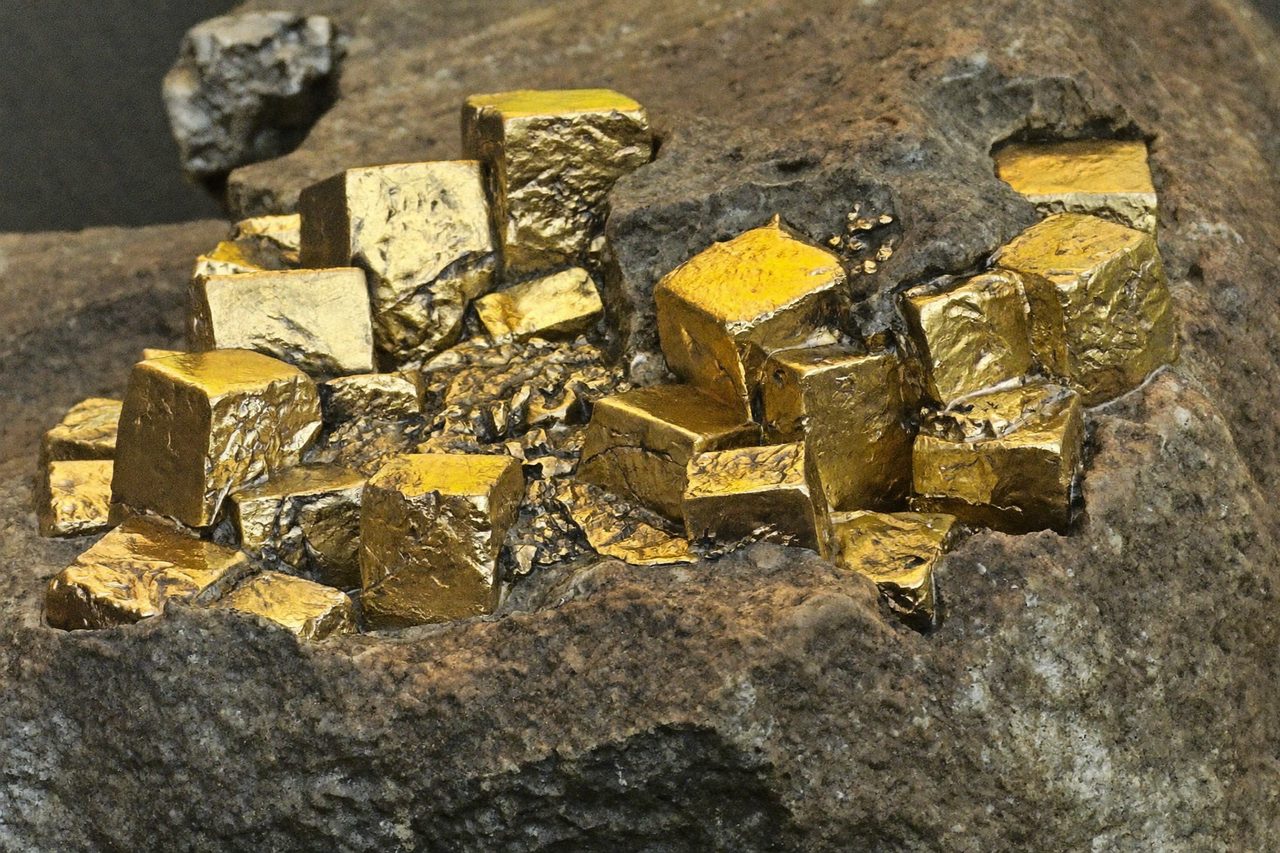
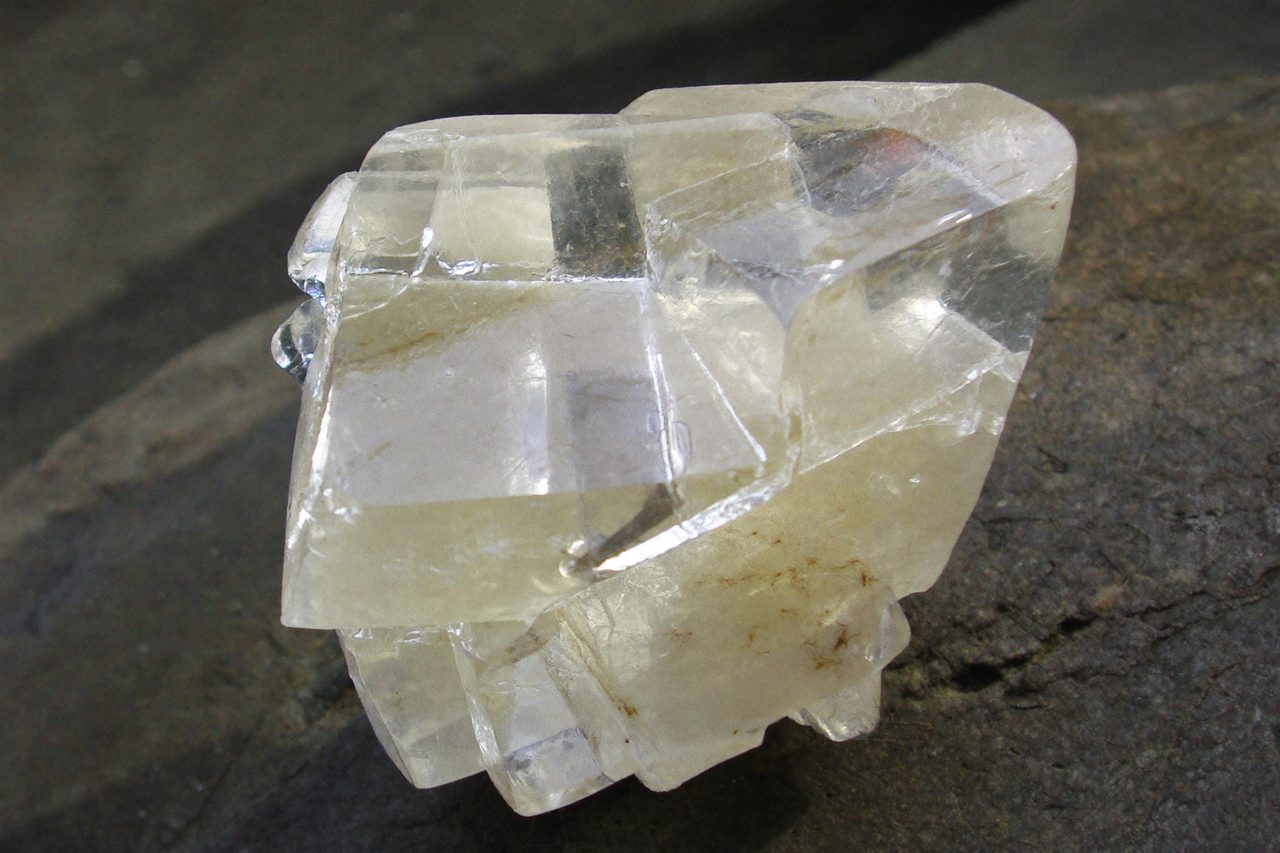
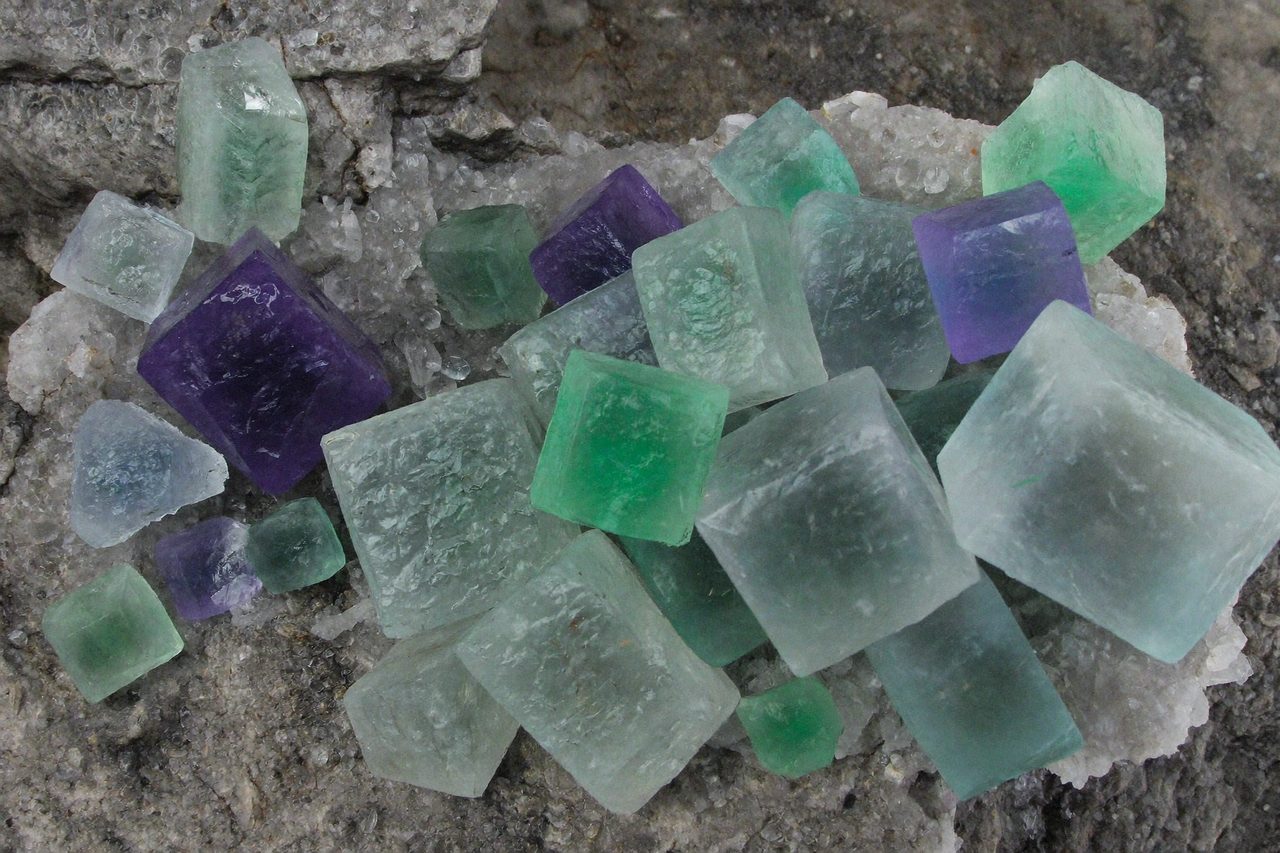
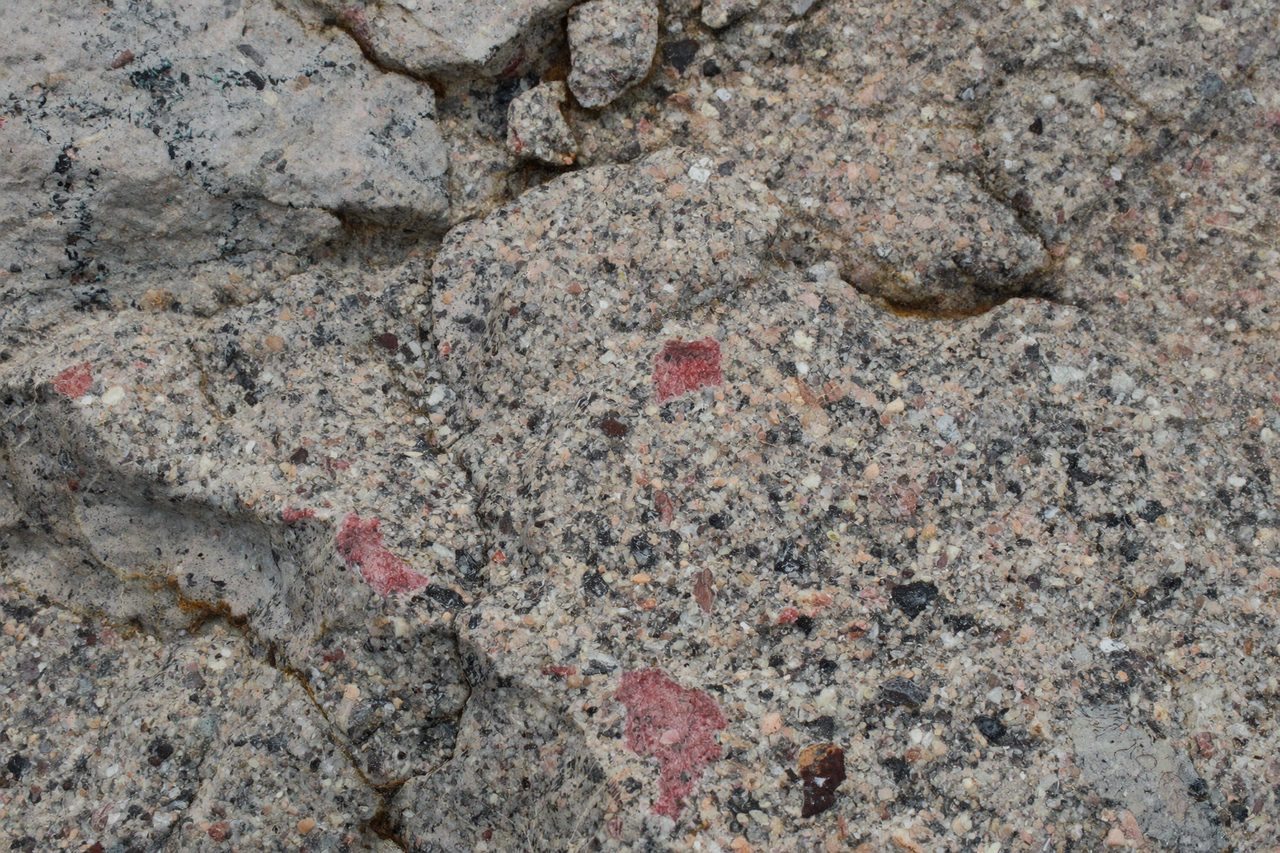
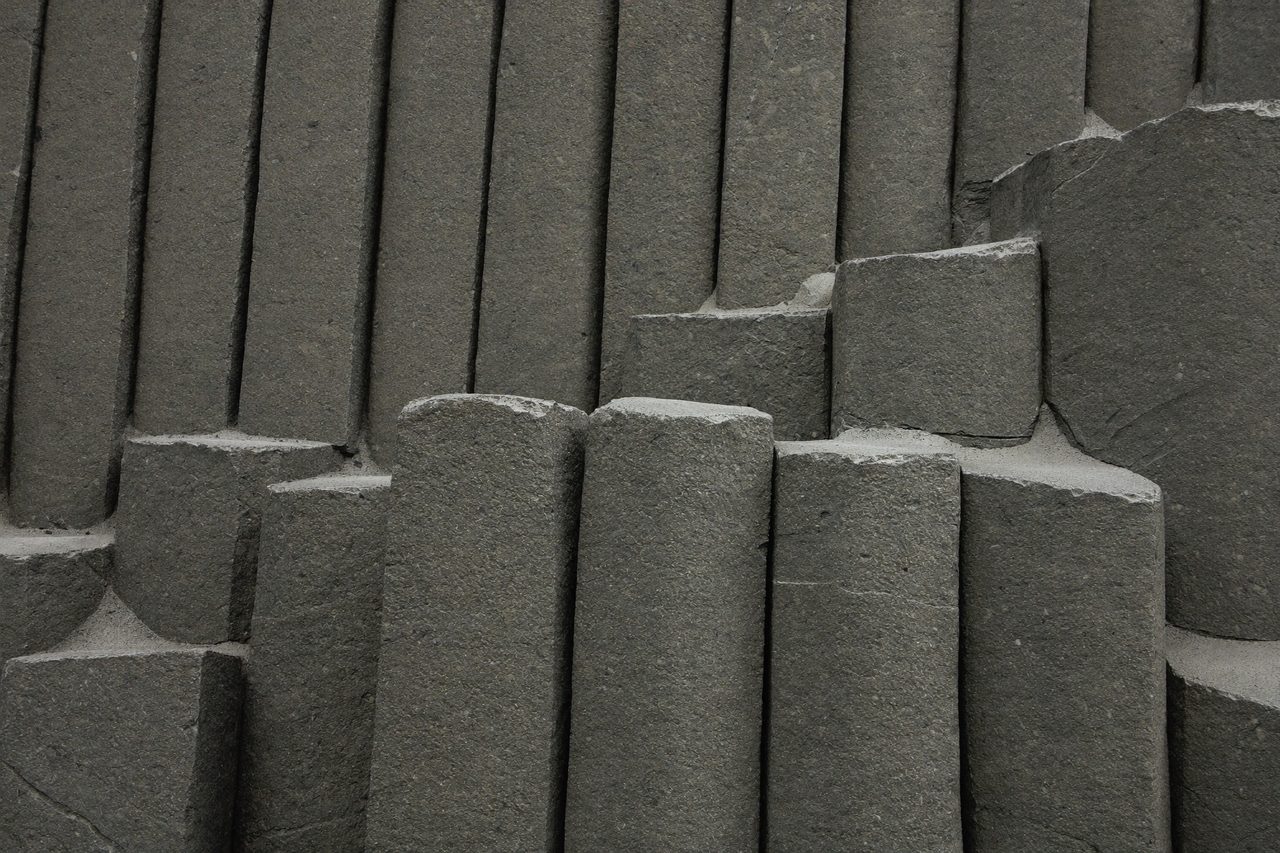
Images generated with AI.
Documented finds nearby
- BGR BSK1000: Erdöl, ErdgasErdöl, Erdgas · source: BGR BSK10002.6 km
- BGR BSK1000: Kalkstein und DolomitsteinKalkstein und Dolomitstein · source: BGR BSK10004.8 km
- MühlhausenErdgas · in Betrieb (Stand GK2000, 2004) · source: BGR GK2000 - Lagerstätten6.9 km
- BGR BSK1000: Kalkstein und DolomitsteinKalkstein und Dolomitstein · source: BGR BSK10009.4 km
- BGR BSK1000: Kies und SandKies und Sand · source: BGR BSK100017.1 km
- BGR BSK1000: Kies und SandKies und Sand · source: BGR BSK100018.1 km
- BGR BSK1000: Kies und SandKies und Sand · source: BGR BSK100020.5 km
- BGR BSK1000: Sandstein und GrauwackeSandstein und Grauwacke · source: BGR BSK100024.9 km
- BGR BSK1000: TiefengesteineTiefengesteine · source: BGR BSK100028 km
- BGR BSK1000: Kalkstein und DolomitsteinKalkstein und Dolomitstein · source: BGR BSK100028.6 km
- BGR BSK1000: Gipsstein und AnhydritsteinGipsstein und Anhydritstein · source: BGR BSK100029.8 km
- BGR BSK1000: GneisGneis · source: BGR BSK100030.1 km
- BGR BSK1000: GneisGneis · source: BGR BSK100033.6 km
- BleicherodeKalisalz · in Betrieb (Stand GK2000, 2004) · source: BGR GK2000 - Lagerstätten34.2 km
Fossil sites nearby
- Oberdorla: Schaumkalk [?orbicularis layers], Lower MuschelkalkAnisian · Muschelkalk · source: PBDB2.1 km
- Thuringer SenkeLadinian · source: PBDB5.7 km
- Eigenrieden near MuehlhausenAnisian · source: PBDB10.1 km
- Rothenburg ob der Tauber Anisian · source: PBDB10.1 km
- BischofrodaAnisian · source: PBDB13.1 km
- Großenbehringer, near GothaLadinian · Muschelkalk · source: PBDB14.2 km
- upper Muschelkalk, Schlotheim area, ThüringenLadinian · Muschelkalk · source: PBDB16.2 km
- Schlotheim, Gotha (BMNH)Anisian · Muschelkalk · source: PBDB17.8 km
- Kindel near EisenachIllyrian · Muschelkalk · source: PBDB19.7 km
- Eisenach, 1979 temporary exposureSemicostatum · source: PBDB21 km
Collecting, law & safety
A promising geology is never a guarantee, and you will not find invented numbers here. Collecting and digging are regulated across Europe and usually need a permit. Protected sites, nature reserves and disused mines are off-limits and can be deadly.
Affiliate links: buying through them earns ORECAST a small commission, your price stays the same. As an Amazon Associate, ORECAST earns from qualifying purchases. All recommendations →
Frequently asked questions
How do I test a mineral's hardness?
With the Mohs scale from 1 to 10. A fingernail scratches to about hardness 2, a copper coin to 3, a pocket knife to around 5. What the knife cannot scratch is harder.
What is the streak test?
You drag the mineral across an unglazed porcelain plate. The colour of the powder streak is often more telling than the surface colour and helps separate similar minerals.
How do I tell a rock from a mineral?
A mineral is a uniform substance with a fixed composition, a rock is a mixture of several minerals. Granite, for example, is quartz, feldspar and mica.
More guides:
Gold & ore in the Harz · Silver & minerals in the Ore Mountains · Fossils of the Swabian Alb · Gold & minerals in the Black Forest · Volcanoes & geology of the Eifel · Fossils in Solnhofen & the Altmühl valley · Gold panning in the Alps & Austria · Fossils in the Ruhr area · Finding amber on the Baltic coast · Agate & gemstones in Idar-Oberstein · Find fossils near me · Gold panning near me · Rockhounding near me · How to identify fossils · Collecting fossils and minerals: allowed or not?