 orecast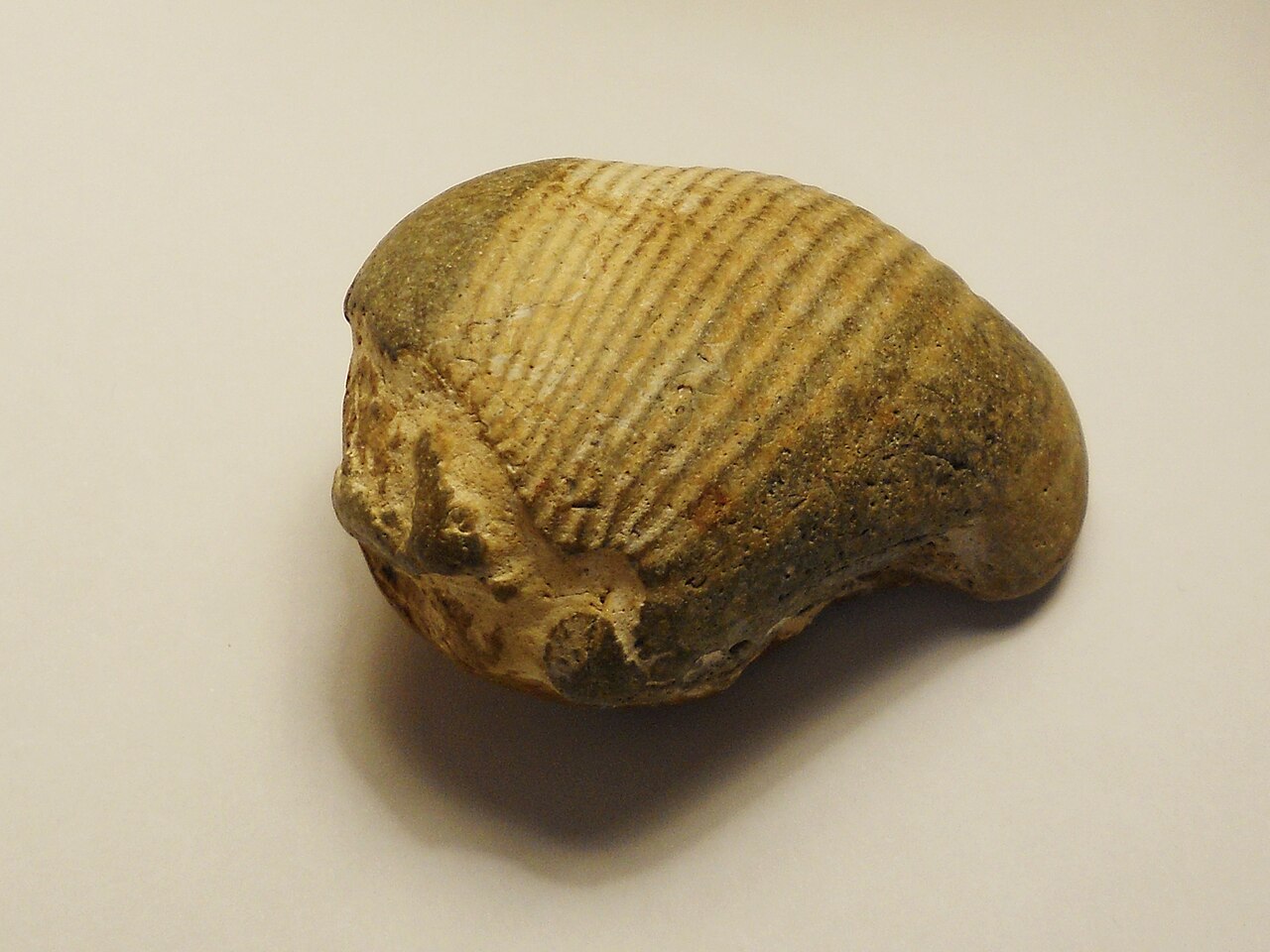
The first step in identifying is the shape. Ribbed spirals are usually ammonites, pointed bullets are belemnites, star-shaped patterns are often sea lilies or sea urchins. The second step is the layer. The age and type of rock narrow down what is even possible. A find from Jurassic limestone is a different matter from one out of the Cretaceous. ORECAST helps with the second step by showing the geological era and the documented sites at your location. For the exact species a field guide, collector groups and museums help. Staying honest matters, because not every pretty stone is a fossil.
A few things get mistaken for fossils again and again. Manganese oxides grow as black, fern-like dendrites on joint surfaces and look convincingly plant-like, yet they are purely mineral. Concretions, rounded hardenings in sediment, get mistaken for eggs or bone. Flint produces shapes reminiscent of teeth or jaw fragments. A genuine fossil almost always shows internal structure, chambers, shell layers or cell patterns, that persists when the piece is broken or cut. Surface resemblance alone proves nothing.
Care at the moment of finding decides much of the later value. Note the locality and, where visible, the layer straight away, ideally with a photo of the find in place. Leave surrounding rock attached; the matrix tells part of the story and protects the piece in transport. Clean cautiously: let it dry, then use water and a soft brush. Vinegar and wire brushes have no place on limestone fossils, they destroy surfaces for good. Preparation is best learned from experienced collectors, not on your first decent find.
Identification grows out of comparison. Regional museums show what the species of your area actually look like, usually better preserved than any personal find and labelled with the layer. Fossil fairs and collector club evenings offer material to handle and people who have collected for decades. Regional literature narrows things down faster than global picture books, since it only covers what occurs locally. After a few dozen sorted finds your eye settles in, and the hard cases remain what they are: questions for specialists.
Common fossils at a glance
A quick visual key to the fossils you are most likely to turn up, and where each one tends to hide.
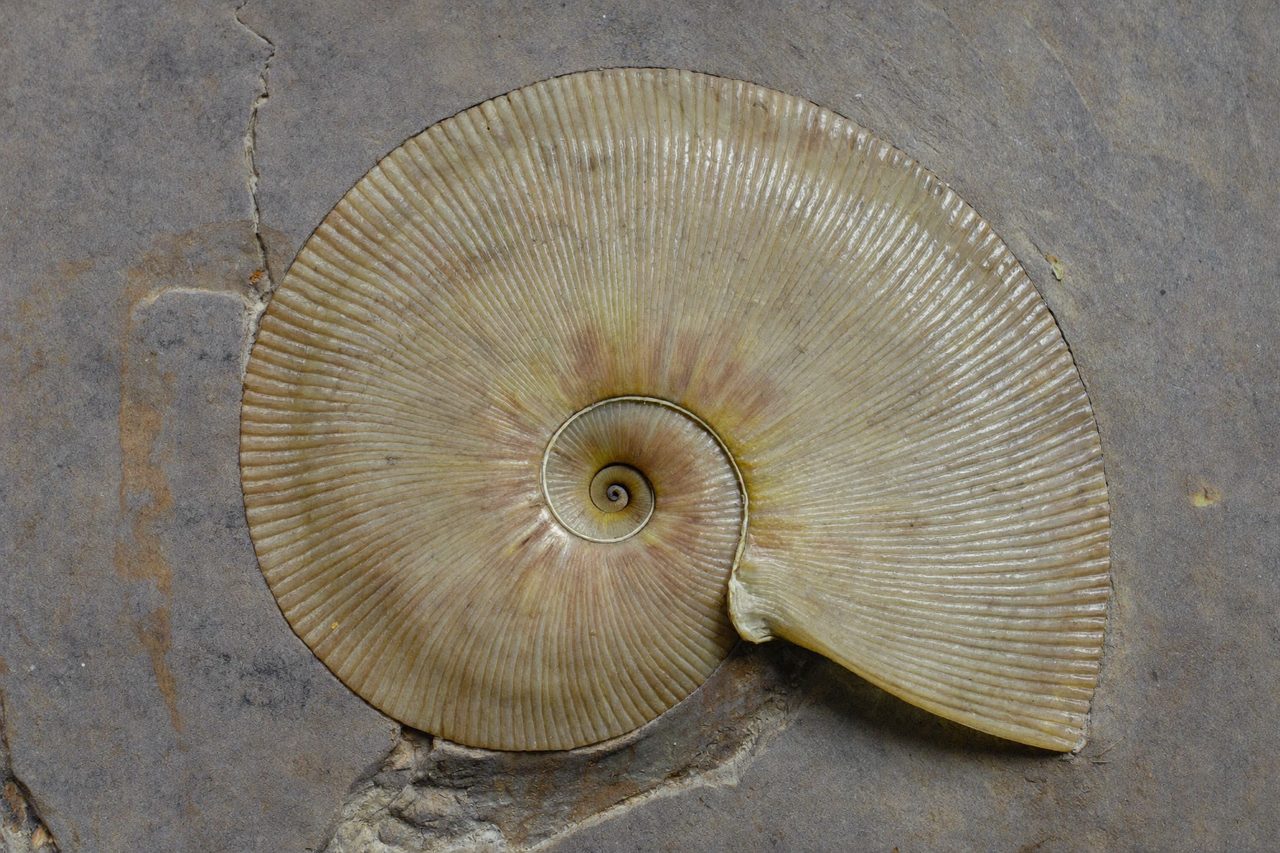
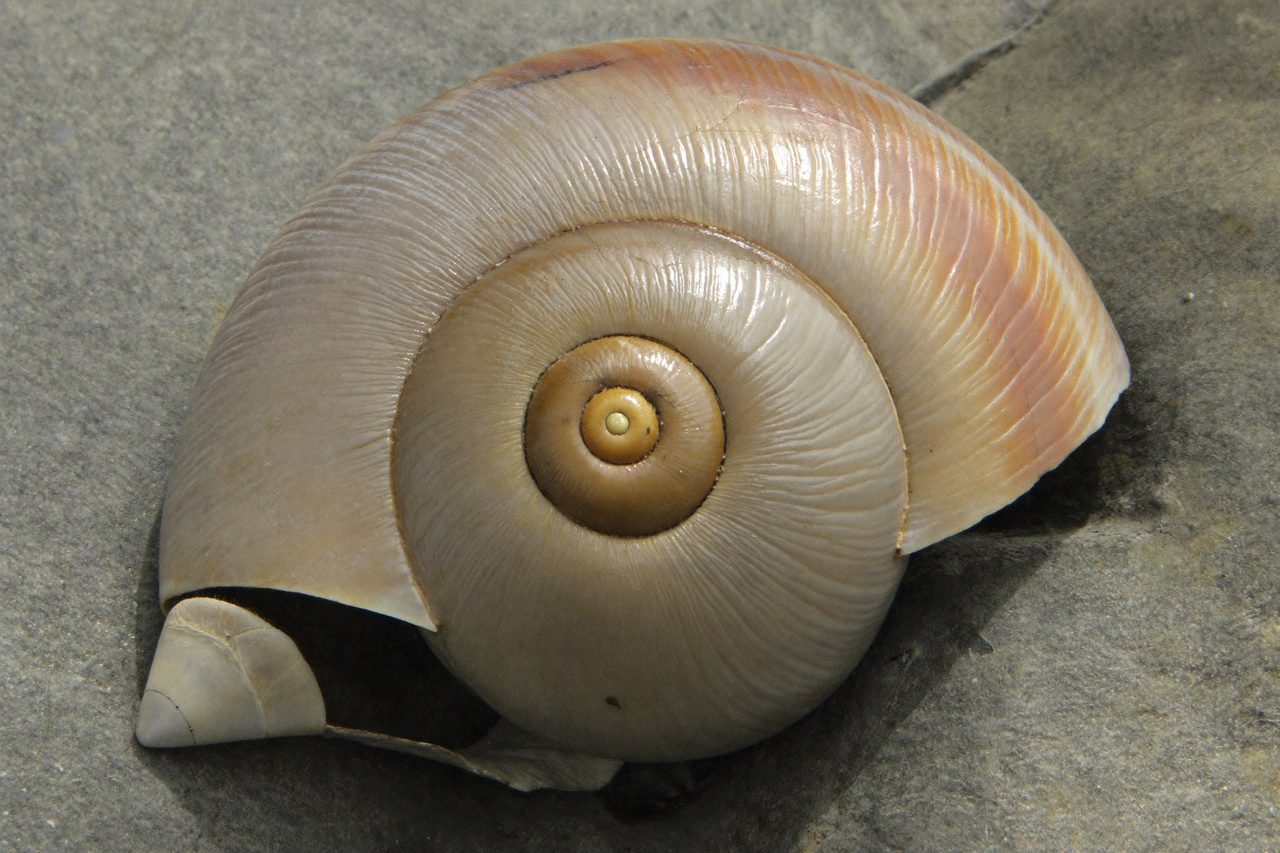

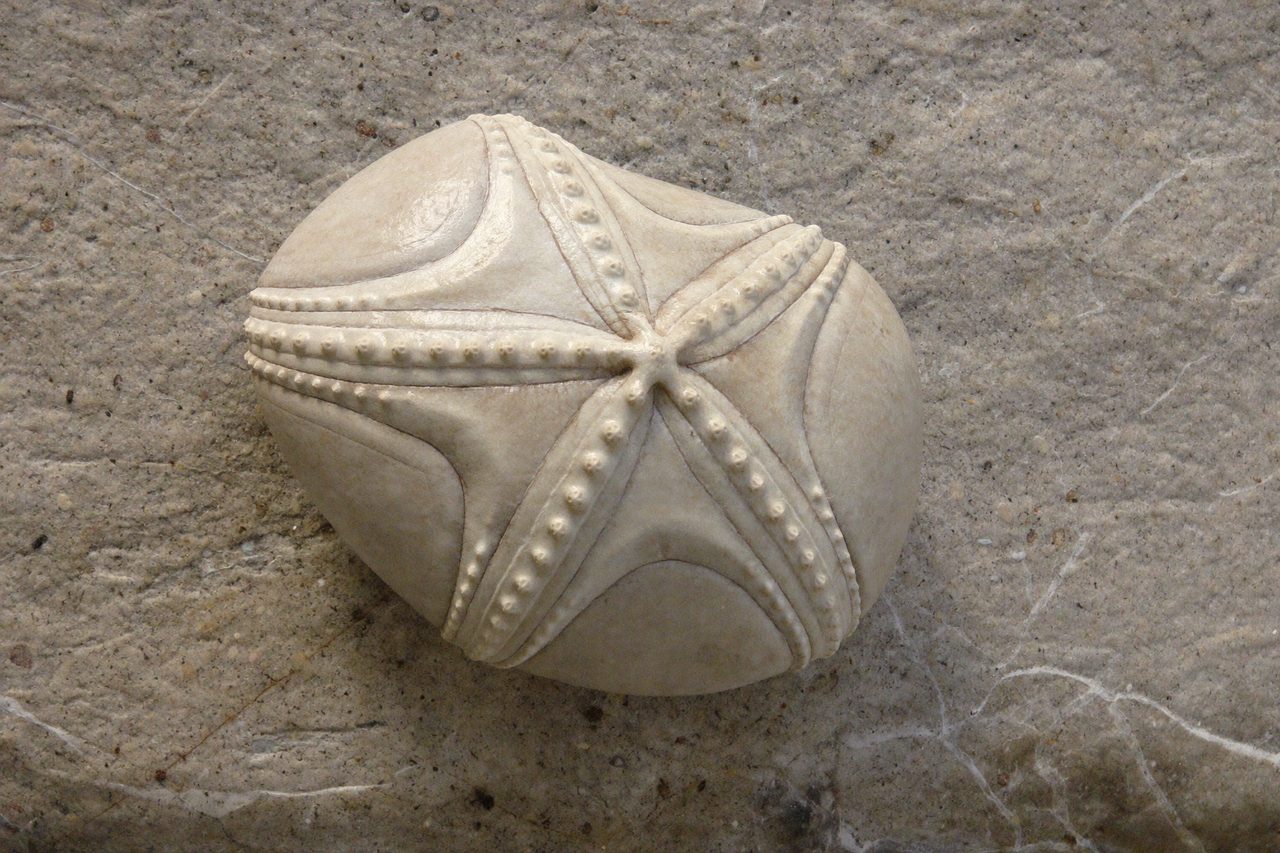
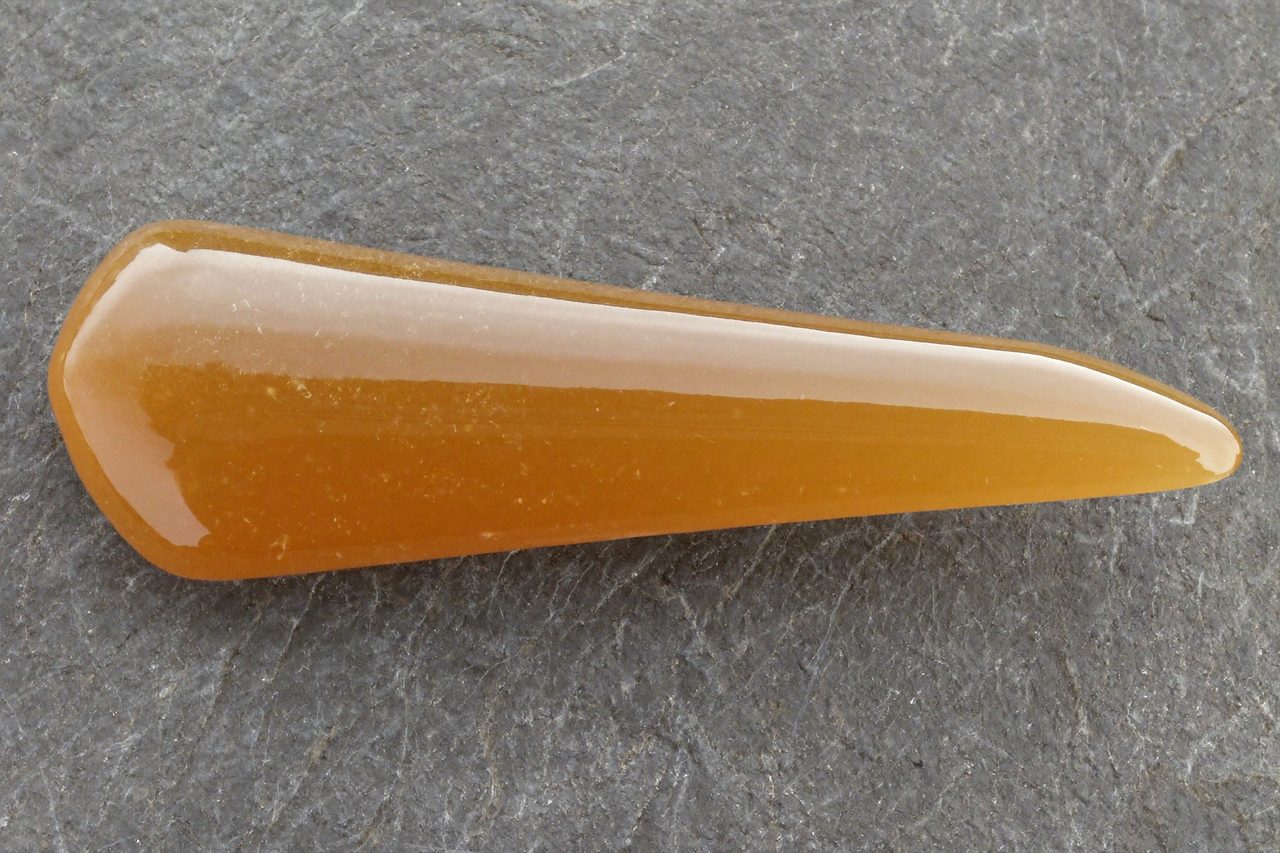
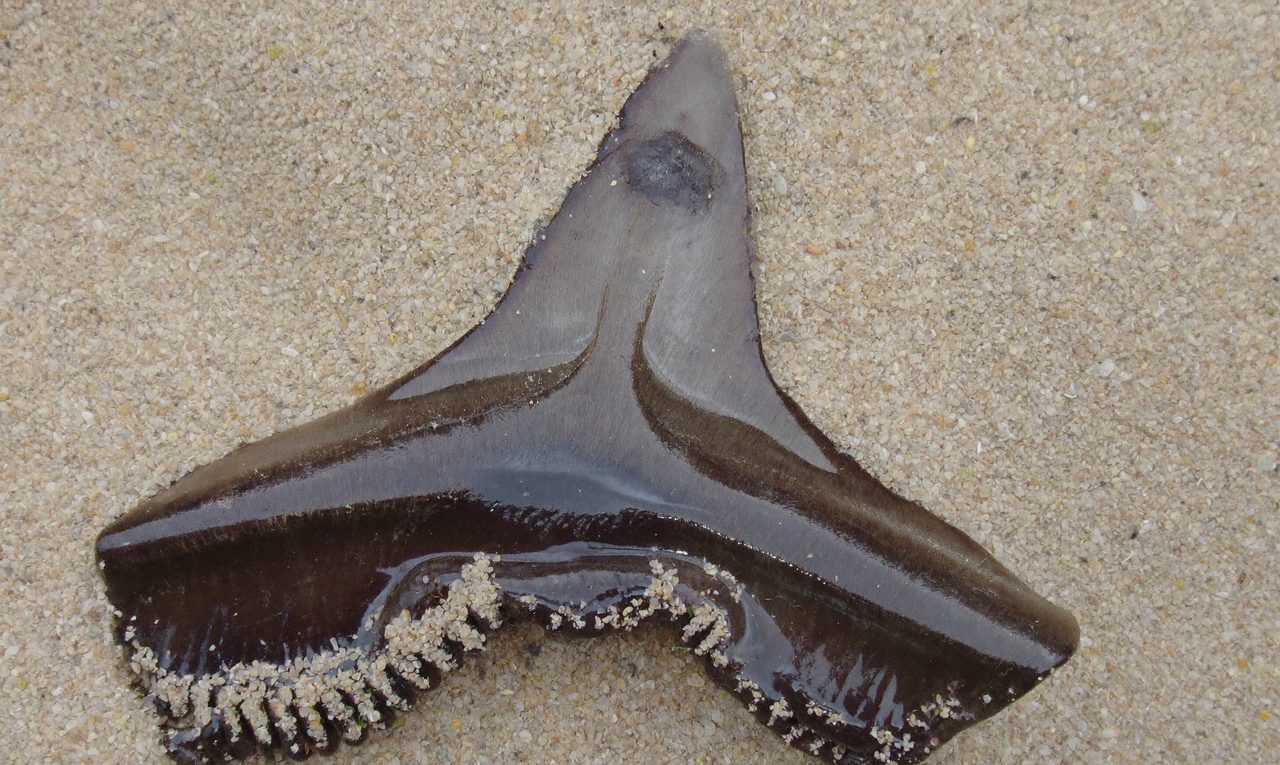
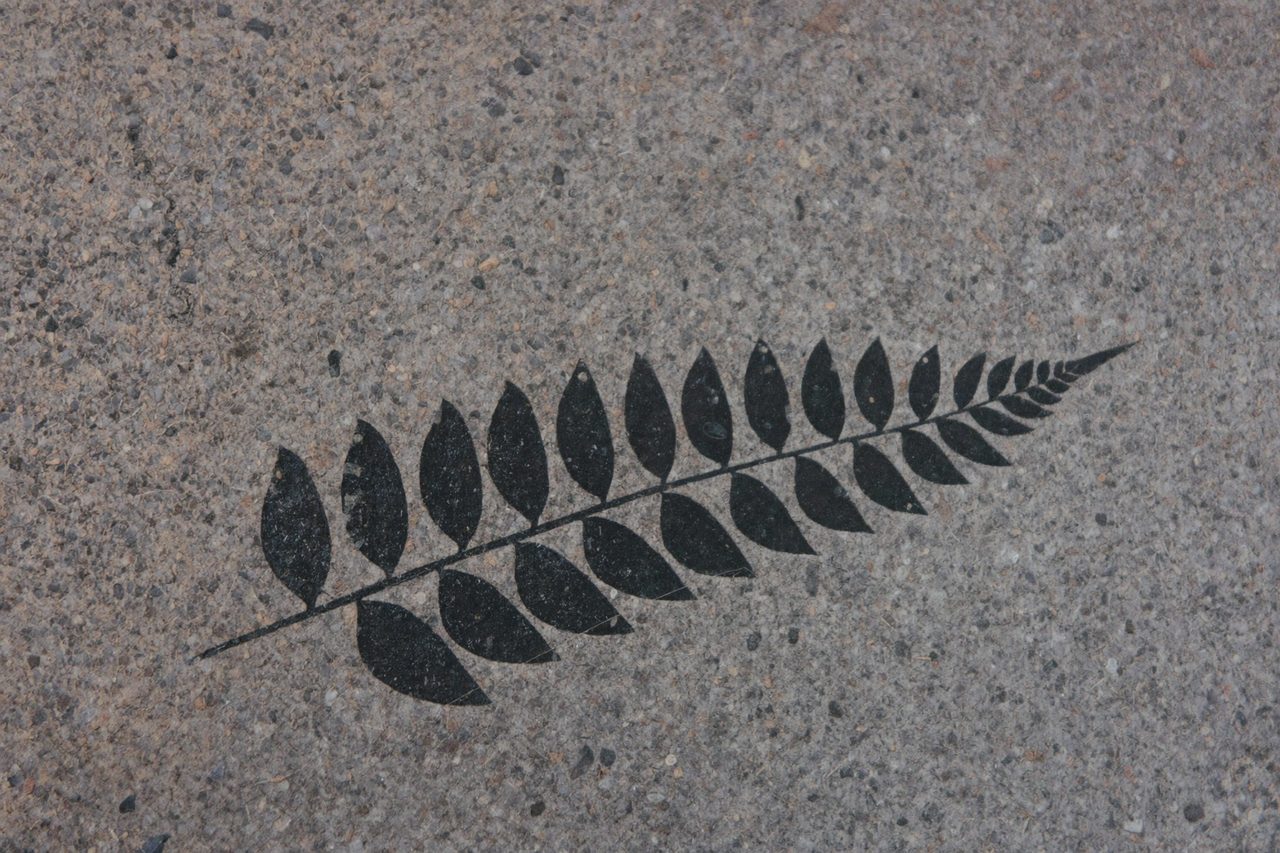
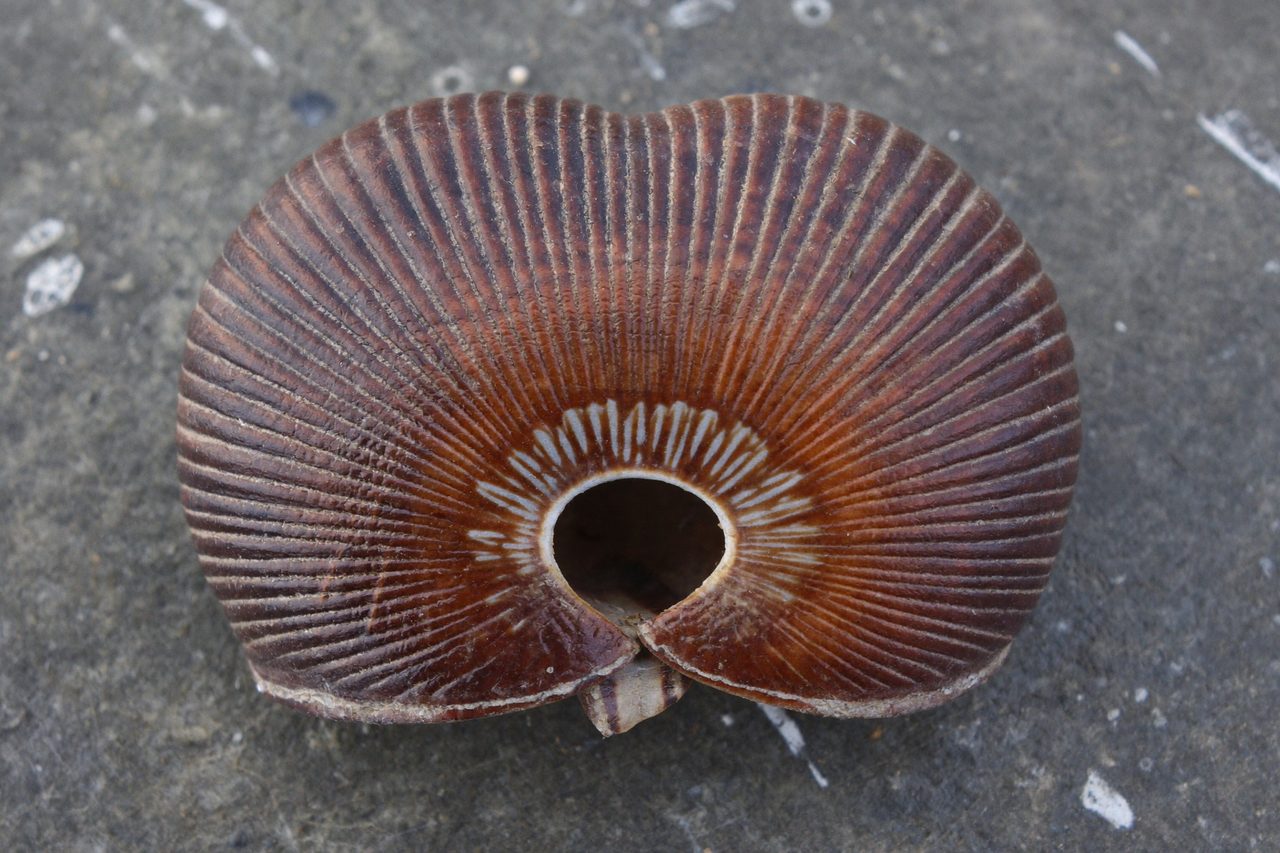
Images generated with AI.
Documented finds nearby
- BGR BSK1000: Erdöl, ErdgasErdöl, Erdgas · source: BGR BSK10002.6 km
- BGR BSK1000: Kalkstein und DolomitsteinKalkstein und Dolomitstein · source: BGR BSK10004.8 km
- MühlhausenErdgas · in Betrieb (Stand GK2000, 2004) · source: BGR GK2000 - Lagerstätten6.9 km
- BGR BSK1000: Kalkstein und DolomitsteinKalkstein und Dolomitstein · source: BGR BSK10009.4 km
- BGR BSK1000: Kies und SandKies und Sand · source: BGR BSK100017.1 km
- BGR BSK1000: Kies und SandKies und Sand · source: BGR BSK100018.1 km
- BGR BSK1000: Kies und SandKies und Sand · source: BGR BSK100020.5 km
- BGR BSK1000: Sandstein und GrauwackeSandstein und Grauwacke · source: BGR BSK100024.9 km
- BGR BSK1000: TiefengesteineTiefengesteine · source: BGR BSK100028 km
- BGR BSK1000: Kalkstein und DolomitsteinKalkstein und Dolomitstein · source: BGR BSK100028.6 km
- BGR BSK1000: Gipsstein und AnhydritsteinGipsstein und Anhydritstein · source: BGR BSK100029.8 km
- BGR BSK1000: GneisGneis · source: BGR BSK100030.1 km
- BGR BSK1000: GneisGneis · source: BGR BSK100033.6 km
- BleicherodeKalisalz · in Betrieb (Stand GK2000, 2004) · source: BGR GK2000 - Lagerstätten34.2 km
Fossil sites nearby
- Oberdorla: Schaumkalk [?orbicularis layers], Lower MuschelkalkAnisian · Muschelkalk · source: PBDB2.1 km
- Thuringer SenkeLadinian · source: PBDB5.7 km
- Eigenrieden near MuehlhausenAnisian · source: PBDB10.1 km
- Rothenburg ob der Tauber Anisian · source: PBDB10.1 km
- BischofrodaAnisian · source: PBDB13.1 km
- Großenbehringer, near GothaLadinian · Muschelkalk · source: PBDB14.2 km
- upper Muschelkalk, Schlotheim area, ThüringenLadinian · Muschelkalk · source: PBDB16.2 km
- Schlotheim, Gotha (BMNH)Anisian · Muschelkalk · source: PBDB17.8 km
- Kindel near EisenachIllyrian · Muschelkalk · source: PBDB19.7 km
- Eisenach, 1979 temporary exposureSemicostatum · source: PBDB21 km
Collecting, law & safety
A promising geology is never a guarantee, and you will not find invented numbers here. Collecting and digging are regulated across Europe and usually need a permit. Protected sites, nature reserves and disused mines are off-limits and can be deadly.
Affiliate links: buying through them earns ORECAST a small commission, your price stays the same. As an Amazon Associate, ORECAST earns from qualifying purchases. All recommendations →
Frequently asked questions
How do I tell if a stone is a fossil?
Look for regular, biological shapes like ribs, spirals, chambers or imprints. Purely random patterns and crystal forms are usually geological, not biological. When unsure, a collector group or museum helps.
Which fossils are easiest to identify?
Ammonites and belemnites are clearest for beginners, along with shells and sea urchins. Their shape is unmistakable and common in many regions.
Does the age of the layer help with identification?
Yes, a lot. If you know the era of the layer, you know which creatures even existed then. ORECAST shows the age and the documented sites at your location.
Where can I get a find identified?
Natural history museums, geological offices and collector clubs often help. Good photos from several sides and the host layer make identification easier.
More guides:
Gold & ore in the Harz · Silver & minerals in the Ore Mountains · Fossils of the Swabian Alb · Gold & minerals in the Black Forest · Volcanoes & geology of the Eifel · Fossils in Solnhofen & the Altmühl valley · Gold panning in the Alps & Austria · Fossils in the Ruhr area · Finding amber on the Baltic coast · Agate & gemstones in Idar-Oberstein · Find fossils near me · Gold panning near me · Rockhounding near me · How to identify rocks and minerals · Collecting fossils and minerals: allowed or not?